
Belize Travel Tips for First Timers
Belize rewards a little advance planning. Its mainland and islands invite very different rhythms, and getting between them can shape the whole trip. First-time visitors will have an easier time by choosing a realistic route, leaving room for connections, and arranging the essentials before arrival. English is Belize’s official language, which makes many everyday conversations and travel logistics more straightforward for English-speaking visitors.
Start with these Belize planning essentials
- Check passport, visa, and onward-travel requirements before booking, especially if you are not a U.S. citizen.
- Complete Belize’s free online immigration and customs arrival/departure form before travel.
- Build your route around transport: domestic flights save time, while mainland buses suit slower, lower-cost plans.
- Recheck weather and tropical-storm conditions close to departure, particularly during hurricane season.
- Arrange arrival transport, avoid driving between cities after dark, and buy insurance that includes medical evacuation.
A good first itinerary is focused rather than frantic. Pick the places that best fit your priorities, then calculate the transfers before adding another stop. A few well-planned days with reliable connections are generally more rewarding than repeatedly packing, checking out, and racing for the next boat or flight.

Sort entry documents before you fly
For U.S. citizens visiting for tourism for 30 days or less, a visa is not required. Travelers need a passport book valid for the stay, at least one blank page, proof of onward or return travel, and sufficient funds. A U.S. passport card cannot be used for air or land entry into Belize. Entry rules depend on nationality, so travelers from other countries should check Belize immigration requirements and guidance from their relevant embassy before booking.
Complete the free online immigration and customs arrival/departure form before the trip. Keep your onward-travel details easy to access during check-in and arrival. If you intend to stay longer than 30 days, plan ahead: extensions require a monthly fee of US$100 and are generally handled at a Belize immigration office. Longer stays can involve further conditions.
Travelers carrying large amounts of currency should also know the declaration threshold. Approximately US$10,000 is the listed amount requiring declaration on both entry and exit. This is a customs rule, not a guide to ordinary payment options, so confirm payment methods directly with your accommodation and activity providers before relying on any one form of payment.
Choose the season for your priorities
Belize is warm year-round. Tourism guidance broadly places winter from November to March and summer from May to September. Rather than searching for one perfect month, decide what matters most to your trip: comfortable dry-season conditions, the possibility of lower crowds and better value, or tolerance for wetter weather. Your preferred activities and the flexibility of your schedule should guide the choice.
Belize also has a hurricane season, when severe tropical weather, high winds, and rain are possible. Watch official weather information and updates from airlines, water-transport providers, accommodations, and tour operators shortly before departure. Keep the first and last days of a tight itinerary as flexible as possible, especially when a connection is essential to an international flight.
Plan transport as part of the itinerary
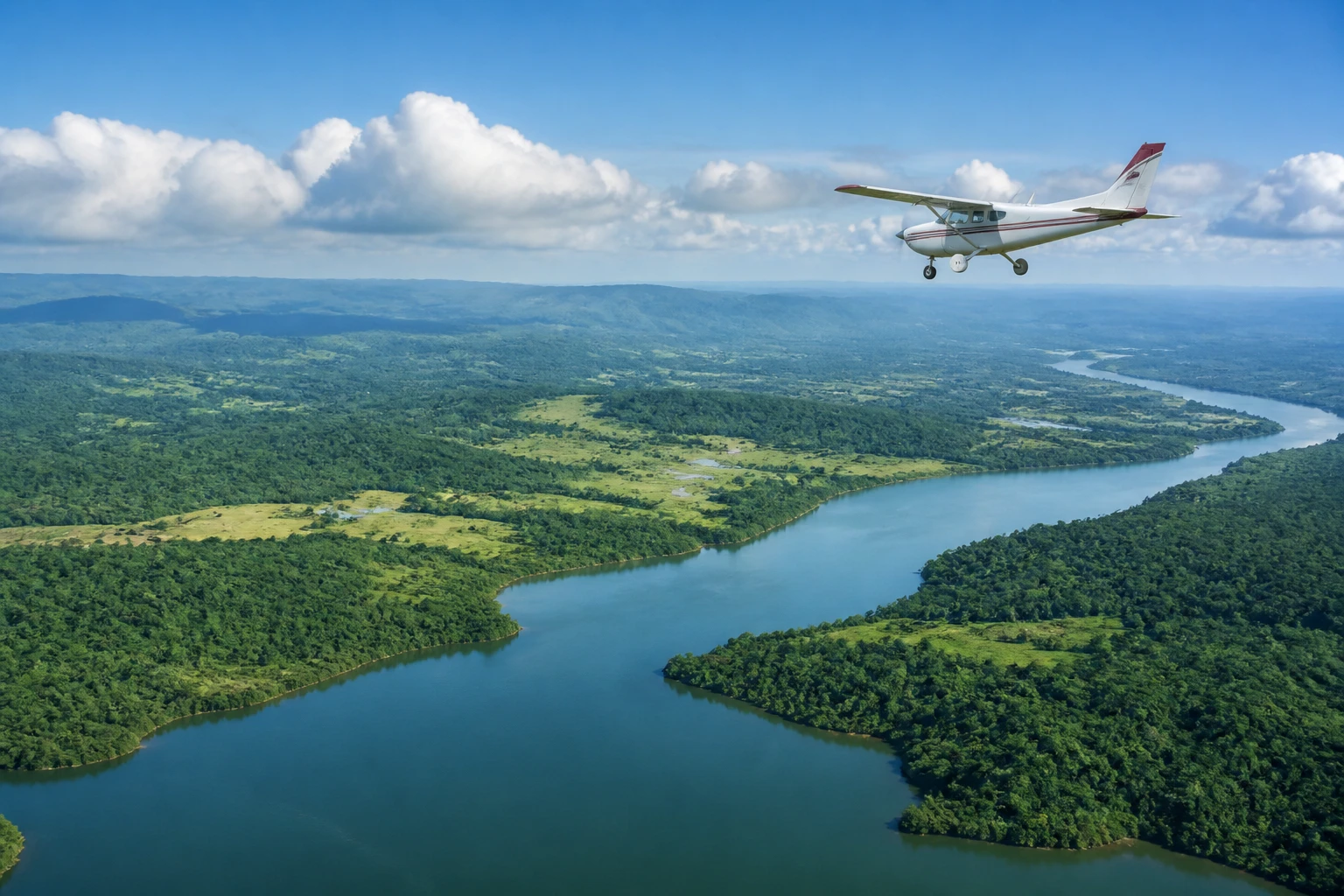
Belize is best planned as a multi-mode destination. Options include domestic flights, rental cars, buses, tour operators, and water transport. Domestic air travel is the fastest and most popular way to connect separate locations, a practical choice when vacation time is limited. Buses are the lower-cost mainland option and work best when you are willing to travel at a slower pace.
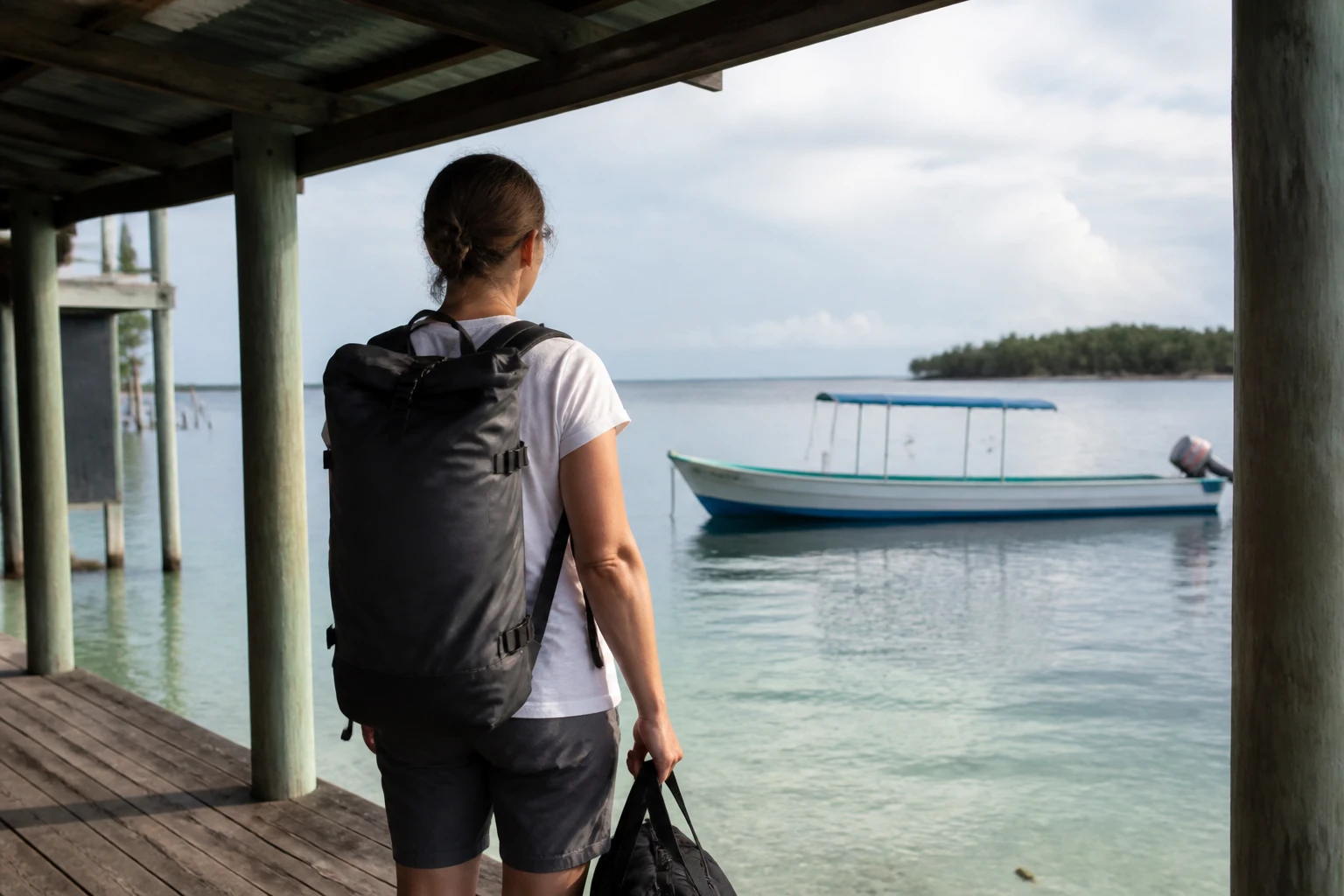
Treat each transfer as a meaningful part of the day. Leave a buffer before booked activities, flight departures, and accommodation check-ins. This is particularly useful when combining mainland travel with an island stay, where a missed connection can ripple through the plan. For a focused handoff from arrival to the island, the Belize Airport to San Pedro Transportation Guide is a useful companion for travelers building that specific route.
Rental cars can suit travelers who want flexibility on the mainland, but driving plans should be conservative. Avoid driving between cities after dark and arrange a clear airport-to-hotel transfer for your arrival day. If you would rather leave the logistics to someone else, compare organized options through the Belize Tours overview and review what each itinerary includes before committing.
Still comparing Airport Transfers?
Ask for tour ideas, hotel suggestions, or a simple trip plan that combines both.
Trip Helper
Set a realistic budget without guessing
There is no single useful daily Belize budget because costs depend heavily on route, travel dates, accommodation style, transfers, and activities. The biggest planning variables are often island transfers, domestic flights, and organized excursions. Mainland buses are the most cost-effective transport choice, while domestic flights trade higher trip costs for more time at your destination.
Build your budget from real trip components rather than a generic per-day estimate. First, price the rooms that fit your route. Next, add every intercity or island transfer, then the activities that matter most. The Where to Stay in Belize for First Timers guide can help narrow the location question before you compare properties. Check current prices and cancellation terms directly for your dates, since transport and activity costs can change.
Make safety and health planning routine
As of the U.S. State Department update dated June 18, 2026, Belize is rated Level 2, Exercise Increased Caution, because of crime. The advisory specifically says to reconsider travel to the Southside of Belize City, defined as the area south of the Haulover Creek Canal to Fabers Road. Serious crimes can also occur in tourist areas, so keep valuables out of view, use organized arrival transport, and make deliberate choices about where and when you travel.
The most practical habit is simple: do not drive between cities after dark. Plan daytime transfers, tell your accommodation when you expect to arrive if you are delayed, and avoid carrying conspicuous valuables. These choices do not need to dominate the trip, but they should shape the itinerary from the first airport pickup to the final departure.
Buy travel insurance with medical evacuation coverage, not just trip-cancellation protection. Private medical care can be expensive and may require payment upfront, while serious illness or injury can require evacuation. Read the policy before purchase and check exclusions for diving, water sports, and the particular activities you plan to book. Carry policy details and emergency contact information with your travel documents.
Arrange accessibility details before paying
Travelers who need accessible arrangements should plan early and request specifics for each segment of the trip. Belize’s accessibility and infrastructure do not meet U.S. standards, and limitations can affect public transport, lodging, communications, information, and general infrastructure. Confirm step-free transfers, adapted rooms, mobility equipment, and accessible boat or dive arrangements directly with each provider before payment.
Ask about the full journey, not only the room or activity. A suitable hotel is less useful if the airport transfer, dock access, boarding process, or local transportation cannot accommodate your needs. Keep provider responses with your booking details so everyone involved understands the arrangements. This extra preparation is especially important when your itinerary includes water transport or multiple accommodation changes.
Book the trip in the right order
- Confirm entry documents, passport validity, and onward-travel requirements.
- Choose the places you want to experience, then decide how many transfers you are willing to make.
- Reserve accommodation in locations that work with your arrival and departure transport.
- Add domestic flights, boats, buses, rental vehicles, or transfers before locking in time-sensitive activities.
- Book priority excursions, then protect the itinerary with insurance and a flexible weather-aware plan.
For inspiration, use specific guides only after the route is taking shape. The Ambergris Caye Travel Guide is helpful when you are deciding if that island belongs in your first itinerary, while the Great Blue Hole Belize Guide can help travelers assess a major excursion in the context of their available time. A focused plan leaves more room to enjoy each place and less time spent untangling last-minute logistics.
The first-timer takeaway
Belize suits travelers who enjoy pairing a clear plan with a little flexibility. Get documents, arrival transport, insurance, and core connections in place before departure. Then keep the route realistic, travel during daylight when driving between cities, and watch weather updates close to the trip. With those fundamentals handled, you can spend more energy on the experiences you chose Belize for in the first place.
Frequently asked questions
Do U.S. citizens need a visa to visit Belize?
No, U.S. citizens do not need a visa for tourism visits of 30 days or less. They need a passport book valid for the stay, at least one blank page, proof of onward or return travel, and sufficient funds; a U.S. passport card cannot be used for air or land entry.
What is the best way to get around Belize for first-time visitors?
The best approach is usually a mix of transport modes chosen around your route. Domestic flights are the fastest way to link separate locations, while buses are a lower-cost choice for slower, mainland-focused travel; water transport, rental cars, and tour operators can fill other gaps.
When should I visit Belize?
Belize is warm year-round, so choose dates around your comfort with weather and your preferred pace of travel. Winter is broadly November through March and summer May through September; because severe tropical weather is possible during hurricane season, check conditions close to departure.
Is Belize safe for first-time travelers?
First-time travelers should use normal travel precautions with extra care around transport and valuables. The U.S. State Department advises increased caution because of crime, recommends avoiding the Southside of Belize City, and advises against driving between cities after dark.
Should I buy travel insurance for Belize?
Yes, choose travel insurance that includes medical evacuation coverage. Private medical care can be expensive and may require upfront payment, while serious illness or injury can require evacuation; check the policy’s exclusions for diving and water sports.
Is Belize accessible for travelers with mobility needs?
Accessibility arrangements need to be confirmed in advance for each part of the trip. Infrastructure and services may not meet U.S. accessibility standards, so verify adapted rooms, transfers, equipment, and boat or dive access directly with providers before paying.