
Where to Stay
Match the lodging to the region.
Belize rewards two or three bases per trip. A caye, an inland lodge, and maybe a stretch on the southern coast is the standard well-paced pattern.
Ambergris Caye
Beachfront resorts, condo rentals, dive-focused hotels north and south of San Pedro town. Golf-cart access to reef operators and restaurants.
Caye Caulker
Small guesthouses and mid-range hotels; a handful of boutique properties at the north end. Bicycle or walk everywhere.
San Ignacio & Cayo
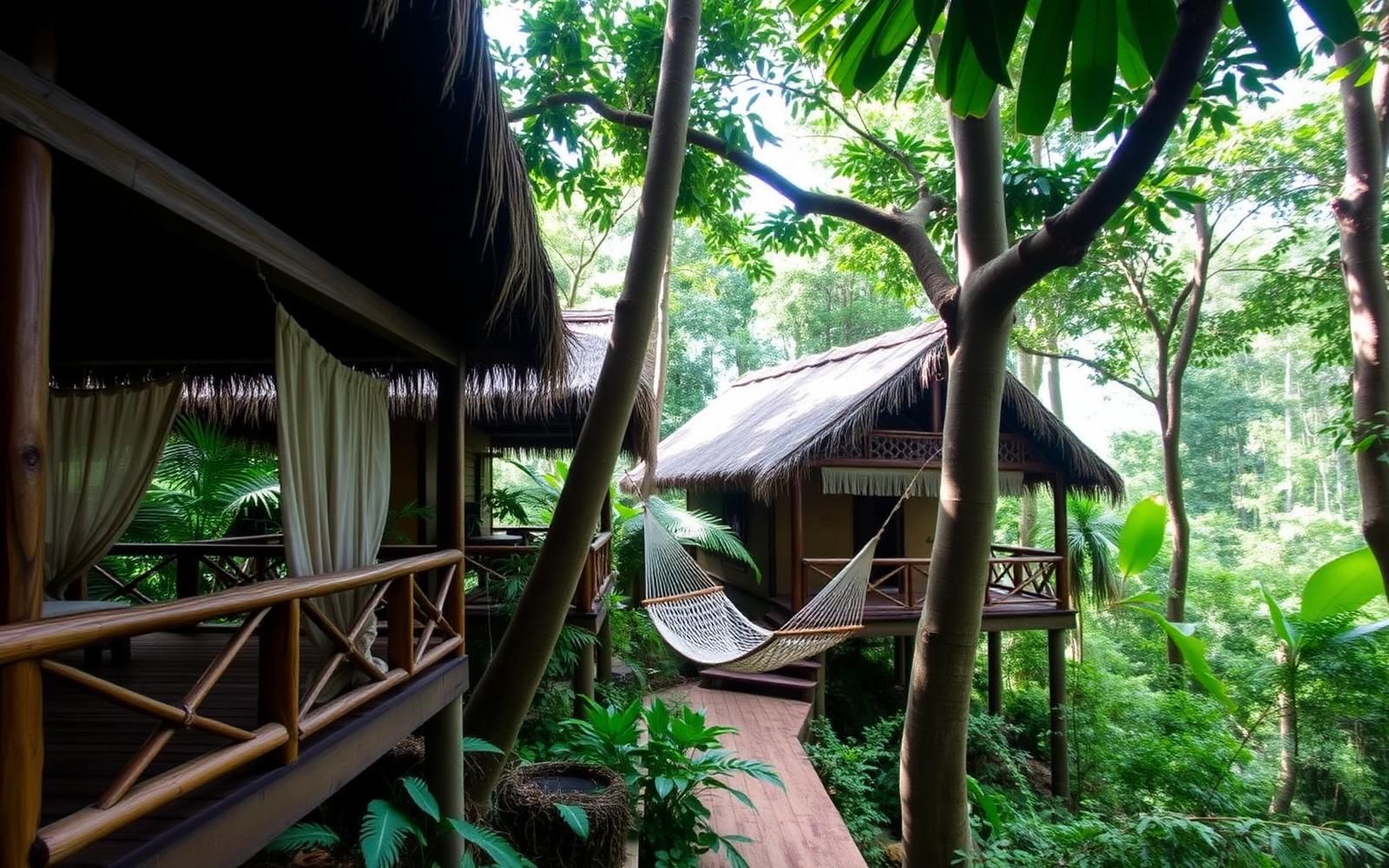
Choose in-town for tour convenience or a jungle lodge outside town for early-morning wildlife and river access. Blancaneaux, Chaa Creek, and Ka’ana are the well-known reference points.
Placencia & Hopkins
Beach cabanas, family villas, boutique hotels, and a few larger resorts. Hopkins for Garifuna culture, Placencia for the longer beach and easier reef access.
Punta Gorda & Toledo
Small eco-lodges near Maya villages, cacao farms, and rivers. Rewards independent travelers who like a slower coastal south.
Choose the base before choosing the hotel
Belize is easier to plan when accommodation follows geography. A beautiful property cannot fix an itinerary that requires hours of daily backtracking. Decide whether the trip needs reef access, a walkable town, caves and Maya sites, rainforest seclusion, a long beach, or southern culture; then compare hotels within the region that supports those priorities.
Most first-time trips work best with two bases. Three can be rewarding on a longer stay, but frequent checkouts turn vacation days into luggage and transfer days. A common pattern is three or four nights near San Ignacio followed by three or four nights on Ambergris Caye, Caye Caulker, Hopkins, or Placencia.
Ambergris Caye: the widest range of island hotels
Ambergris Caye offers beachfront resorts, condos, boutique hotels, dive-focused properties, and rentals in and beyond San Pedro. Central accommodations suit travelers who want restaurants and tour offices nearby. Properties farther north or south may provide more space and quieter evenings but can require a golf cart, boat transfer, or scheduled shuttle.
Before booking, ask how guests reach town after dark, whether the road changes after heavy rain, where reef tours depart, and how long the airport or water-taxi transfer actually takes. A low room rate can lose its advantage if daily transport is expensive or inconvenient. Use the Ambergris Caye guide for a fuller location comparison.
Caye Caulker: compact, casual, and social
Caye Caulker is strongest for guesthouses, small hotels, and travelers who value a walkable village atmosphere. Many places sit close to docks, cafés, and tour operators, although the island’s north and quieter edges create different experiences. Confirm whether a property has a pool, dock, swimming access, generator, air conditioning, and luggage assistance if those features matter.
Do not assume “waterfront” means a broad sandy beach. Much of the island experience centers on docks, the sea breeze, and easy access to boat trips. The Caye Caulker guide explains how to match the stay to the island’s real character.
San Ignacio and Cayo: town convenience or jungle lodge
San Ignacio works well for travelers who want restaurants, the market, transport choices, and multiple tour operators. Staying in town reduces dependence on a resort restaurant and makes an unscheduled evening easier. A lodge outside town creates a quieter experience with trails, river access, wildlife, or on-site activities, but meals and transfers may be more structured.
Compare the entire day. If every excursion includes pickup, a remote lodge may be effortless. If the plan includes self-guided meals and town time, distance matters. Ask about road access, transfer cost, Wi-Fi, power, meal plans, and emergency arrangements. See the San Ignacio guide for practical base selection.
Placencia: beach, dining, and a long peninsula
Placencia Village offers restaurants, shops, tour operators, and a walkable core near the southern end of the peninsula. Resorts farther north can provide larger grounds and quieter beaches but may require a taxi, rental car, bicycle, or property shuttle. Maya Beach and Seine Bight create still more options, each with a different relationship to the village.
Ask where the property sits on the peninsula, how guests reach dinner, whether the beach is maintained during sargassum events, and where boats depart. The right choice depends on whether the trip emphasizes the village, the room, the beach, or day tours. Use the Placencia guide to compare the peninsula in detail.
Hopkins: village culture with mainland adventure access
Hopkins pairs Caribbean shoreline with Garifuna culture and convenient access to Cockscomb Basin, Mayflower Bocawina, rivers, and offshore trips. Accommodation ranges from village guesthouses to full-service resorts along the coast. The distance between the room and the village center affects dining and cultural access, so confirm walking conditions, bicycle availability, shuttles, and nighttime transport.
A property that supports local guides, restaurants, and cultural experiences can create a richer stay. Book community-led cooking, drumming, food, or nature activities respectfully and allow time beyond a single performance.
Punta Gorda and Toledo: slower, greener, and more remote
Southern Toledo rewards travelers interested in Maya communities, cacao, rivers, birding, fishing, caves, and a less-developed tourism rhythm. Punta Gorda provides services and transport, while lodges farther out may be deeply connected to forest or village landscapes. Transfers take longer and independent dining can be limited.
Ask about road condition, meal arrangements, activity minimums, guide availability, power, water, and the schedule for onward transport. Toledo is best treated as a deliberate destination rather than an extra night squeezed onto a coastal itinerary.
Belize City, Ladyville, and the airport corridor
Belize City is useful for transport connections, business, history, and certain excursions, but it is not the automatic first choice for a beach vacation. A hotel near Philip S. W. Goldson International Airport can be practical for a late arrival or early departure. Confirm the actual airport-transfer time and whether food is available when the flight lands.
Travelers continuing to San Pedro should compare an overnight near the airport with a same-day domestic flight or ground transfer to the water taxi. The safest plan is the one with a comfortable connection buffer.
Questions to ask every property
- What is the exact transfer from the airport, water taxi, or previous hotel?
- Which meals are available on site, and what is within easy reach?
- Are taxes, service charges, resort fees, and transfers included in the quoted total?
- How do power, water, Wi-Fi, and air conditioning operate?
- Where do booked tours pick up, and are early departures possible?
- What happens during severe weather or a medical emergency?
- What is the cancellation policy for both the room and bundled activities?
Match lodging style to the trip
Guesthouse or small hotel
Best for travelers who value local restaurants, independent planning, and a more personal scale. Check staffing hours, luggage storage, and late-arrival procedures.
Full-service resort
Best when the property itself is a major part of the vacation. Compare meal plans, transfer costs, activity pricing, and the distance from town rather than focusing only on the room.
Vacation rental
Best for space, kitchens, and longer stays. Confirm management support, drinking water, power backup, transport, and how supplies are obtained.
Remote eco-lodge
Best for nature, quiet, and guided activities. Understand the meal schedule, road access, included excursions, and the practical limits of being far from town.
A realistic split-stay framework
For seven nights, use three nights inland and four nights on an island or the coast. For ten nights, consider four inland, four coastal or island, and two in a third region only when transfers are efficient. Avoid a one-night remote stay unless it solves a flight connection; the travel time rarely justifies it.
For a property-by-property decision process, read Where to Stay in Belize for First Timers. Then map every booked activity and transfer against the chosen hotel before the cancellation window closes.

Reef, Reel & Feast
Experience the Ultimate Beach BBQ Getaway! Sink your toes into warm sand and soak up breathtaking coastal views as y...

Caves and Altun Ha pickup from Ambergris caye V.i.V.
For thousands of years, our ancestors used the cave system for dwelling, performing sacred ceremonies, and store foo...
Planning a trip?
Tell us what you’re after and we’ll point you at operators, lodges, and itineraries that fit.
Send an inquiry