
Reef & Diving
The Barrier Reef, the Blue Hole, and every stop in between.
Belize's reef runs 190 miles and is UNESCO-listed. Here's how to pick your trip without wasting a whole day at sea.
Hol Chan Marine Reserve
The standard half-day reef trip from Ambergris and Caye Caulker. Calm channel, dense fish, turtles, eagle rays. This is where most Belize snorkeling memories are made.
Shark Ray Alley
Nurse sharks and southern stingrays, usually visited on the same trip as Hol Chan. Do not feed or touch anything. Book operators who don’t either.
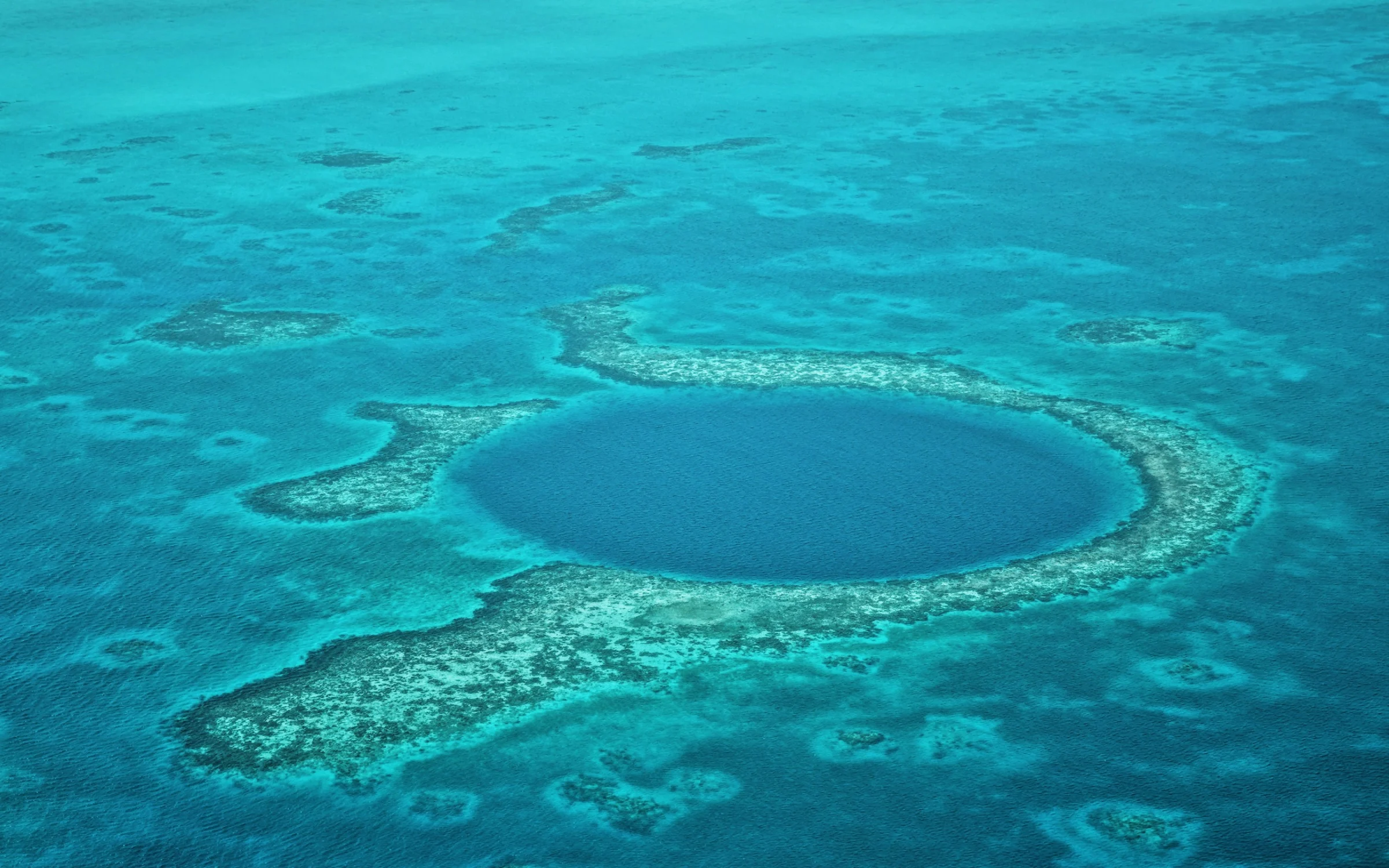
The Great Blue Hole
Deep sinkhole at Lighthouse Reef, roughly two hours by fast boat from Ambergris. Divers get the wall, snorkelers get the surrounding reef and Half Moon Caye. Save for a flat-sea day.
Turneffe & Glover’s Atolls
Multi-day dive and kayak territory. Silver Caves, Elbow, and the leeward flats reward a stay rather than a day trip.
Responsible reef travel
Reef-safe sunscreen only. No touching, standing on, or feeding wildlife. Follow reserve rules and the boat captain’s brief.
Plan the reef by departure point and experience level
Belize’s reef system includes barrier reef, patch reef, mangroves, seagrass, cayes, and offshore atolls. The UNESCO-listed reserve system protects seven areas within a much larger connected marine landscape. For a visitor, that diversity means “reef tour” can describe a beginner-friendly half day near Ambergris Caye, a full day from Placencia, a demanding offshore dive trip, or a multi-day stay on an atoll.
Choose a base before choosing a tour. San Pedro and Caye Caulker are convenient for Hol Chan and Shark Ray Alley. Placencia and Hopkins open routes toward Laughing Bird Caye, Silk Cayes, and the southern reef. Remote lodges may provide direct access to Turneffe, Glover’s Reef, or another offshore area.
Hol Chan Marine Reserve
Hol Chan, meaning “little channel,” protects reef, seagrass, mangrove, and Shark Ray Alley zones south of San Pedro. It is popular because several habitats sit close together and the channel can concentrate marine life. A typical trip combines the reef channel with another protected stop, often creating a strong introduction for confident first-time snorkelers.
Popularity also means boat and swimmer traffic. Choose a licensed operator that uses small groups, gives a real safety briefing, and sets clear rules around coral and wildlife. The Hol Chan guide explains what to expect and what to ask before booking.
Shark Ray Alley
Shark Ray Alley is part of the Hol Chan reserve and is known for nurse sharks and southern stingrays. Encounters can feel intense when several animals and boats gather in a compact area. Listen to the guide, keep hands to yourself, and never chase, touch, stand on, or block an animal.
Wildlife is never guaranteed, and ethical behavior matters more than a close photograph. Read the Shark Ray Alley guide for practical swimming and tour-selection advice.
The Great Blue Hole and Lighthouse Reef
The Great Blue Hole is a remote geological formation within Lighthouse Reef. Boat trips require a long offshore crossing and are very different from a near-caye snorkel outing. Divers choose it for the deep formation and technical character of the site; snorkelers generally experience the rim and additional reef or island stops included in the day.
Do not book from the aerial photograph alone. Compare total boat time, vessel size, sea conditions, diver requirements, snorkeler activities, meals, fees, and companion stops. A scenic flight offers the iconic overhead view without the long boat crossing. The Great Blue Hole guide lays out those tradeoffs.
Southern reef trips
From Placencia, Hopkins, or Dangriga, reef days may focus on small cayes, marine reserves, snorkeling, diving, fishing, or sailing. Transfer time varies widely by departure dock and destination. Ask for the actual route rather than assuming every “southern reef” trip reaches the same area.
The south can pair reef time with a mainland itinerary more smoothly than routing back through Belize City. It is a strong option for travelers who want beach, Garifuna culture, Cockscomb Basin, and offshore activities in one region.
Turneffe and Glover’s Reef
Turneffe Atoll and Glover’s Reef suit travelers willing to invest more time and money in offshore access. Day trips may be possible from certain bases, while dedicated lodges and live-aboard trips make the water the center of the stay. These are not the best choices for everyone: remoteness, sea crossings, limited independent dining, and package structure should be part of the decision.
Ask what is included in the rate, which sites are chosen in different weather, and how the operator manages mixed snorkeler and diver groups.
Snorkeling, diving, or scenic flight?
Choose snorkeling when
You want shallow marine life, lower equipment demands, and a half- or full-day experience. Beginners should ask about flotation, guide ratios, entry style, and whether the site is protected from current.
Choose diving when
You are certified for the planned depth and conditions, or you are completing instruction with a reputable shop. Verify recent dive experience requirements, equipment, insurance expectations, and medical considerations.
Choose a scenic flight when
The overhead landscape is the priority, a long boat day is unappealing, or companions have very different water comfort levels. Flight schedules and visibility are weather-dependent, so keep some flexibility.
How to evaluate a reef operator
- Confirm licensing, reserve permissions, group size, and guide-to-guest ratio.
- Ask which stops are planned and how the route changes with wind or current.
- Check whether reserve fees, equipment, food, water, and hotel transfers are included.
- Request properly sized masks, fins, flotation devices, and life jackets.
- Look for a clear cancellation and rescheduling policy.
- Avoid operators that encourage touching, feeding, chasing, or standing on marine life.
Responsible reef travel
Coral is living habitat. Keep fins, hands, cameras, and flotation devices away from it. Do not stand on the reef, collect shells from protected areas, or pressure a guide to enter unsafe water. Use sun-protective clothing and follow current local guidance on sunscreen. Secure loose items before the boat moves.
Weather and coral conditions change. A responsible guide may choose a less famous site because it is safer or less stressed that day. That decision is a sign of local knowledge, not a lesser trip.
A balanced reef itinerary
For a first visit, one half-day reserve trip and one flexible water day are often enough. Strong swimmers or divers may want several days, while travelers splitting time with Cayo should protect at least three island or coastal nights. The snorkeling tours guide and islands guide can help match the water plan to the right base.

Cruise Passenger friendly Hassle free Cave Tubing + Local Lunch
Are you looking for a personable adventure to explore Belize's number one inland adventure? cave tubing at the Nohoc...
Planning a trip?
Tell us what you’re after and we’ll point you at operators, lodges, and itineraries that fit.
Send an inquiry