
Belize With Kids Guide
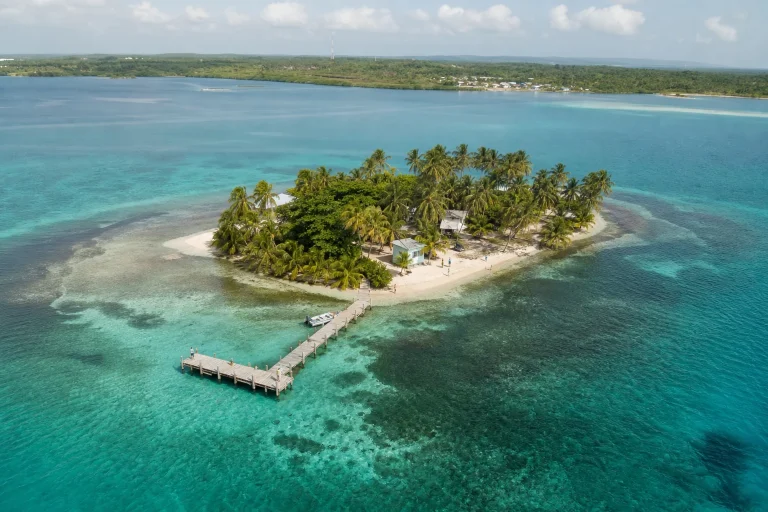
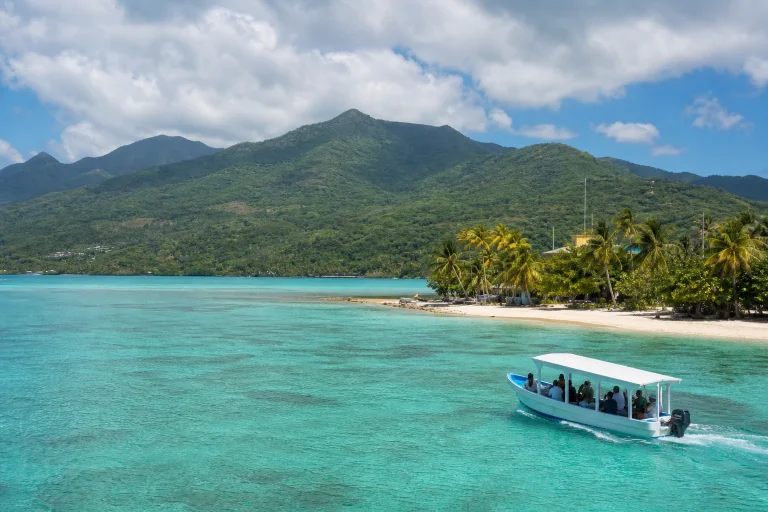
Belize offers families a rewarding combination of inland rainforest experiences and time beside the Caribbean Sea. Children can encounter wildlife, explore Maya sites, ride boats, try local food, and discover the reef within one vacation. The strongest family itinerary does not attempt everything. It chooses two bases, protects time for meals and rest, and leaves enough flexibility for weather or changing energy levels.
- Build the trip around two bases, usually one inland and one on the coast or an island.
- Schedule one major activity per day, especially when traveling with younger children.
- Compare domestic flights and boat transfers by total travel time, baggage rules, price, and weather policies.
- Check age limits, equipment, reserve fees, and transportation before booking a reef or wildlife tour.
- Carry the correct passports and parental-consent documents for every child.
- Confirm current weather, site hours, transport schedules, and tour requirements shortly before departure.
A two-base plan also makes the landscape easier for children to understand. The first part can focus on forest trails, archaeological reserves, wildlife, and cultural activities. The second can slow the rhythm with swimming, boating, and a carefully selected snorkeling excursion. Parents gain variety without packing every morning, while children get time to settle into each place.
Is Belize a good destination for children?
Belize suits families that enjoy active days, outdoor settings, and a mix of nature and culture. Official family-travel material highlights wildlife, boating, snorkeling, food experiences, rainforest activities, and beach or island time. That range allows parents to adjust the trip to different ages instead of relying on a single theme for the entire vacation.
The main planning challenge is choosing activities at the right level. A confident swimmer and a preschooler will experience a reef day very differently. The same applies to forest walks and uneven archaeological sites. Ask about minimum ages, walking conditions, flotation equipment, time in the sun, restroom access, and the amount of transportation involved before committing the whole family.
Families still deciding how Belize compares with other options can start with a guide to the best things to do in Belize. Use it to identify two or three shared priorities, then shape the itinerary around them. A shorter list usually produces a better trip than a schedule filled with early departures and rushed transfers.
The easiest family itinerary uses two bases
For most families, the simplest structure is an inland base followed by a coastal or island base. Official tourism material supports combining rainforest or interior experiences with beach and island time. Keeping the trip to two bases reduces repeated packing and gives children a familiar room to return to after a long outing.
| Trip stage | Good focus | Planning priority |
|---|---|---|
| Inland stay | Maya sites, wildlife, forest experiences, and food or cultural activities | Choose outings that match the youngest traveler’s walking ability and attention span. |
| Transfer day | Move toward the coast or an island | Avoid adding a major excursion unless the transfer is short and predictable. |
| Coastal or island stay | Boating, beach time, and an age-appropriate reef outing | Check swimming requirements, equipment, reserve fees, and weather policies. |
| Final day | Rest, a flexible local activity, or departure | Protect enough time for the next transport connection. |
A week can be divided between these two environments, but the exact split should reflect the family’s interests. Children fascinated by wildlife and ruins may prefer more inland nights. Strong swimmers and boat-loving teenagers may want more time near the reef. On shorter trips, select one especially meaningful activity in each base rather than trying to create a national highlights tour.
Choosing the right base matters as much as choosing an activity. A practical guide to where to stay in Belize for first timers can help parents compare inland, coastal, and island settings before reserving rooms. Look beyond the room itself and consider meal access, transfer complexity, sleeping arrangements, and how far the property is from planned departure points.
Choose activities by age, confidence, and stamina
Good family activities share three features: manageable transportation, clear safety requirements, and an experience children can actively understand. Wildlife outings, cultural food activities, boating, snorkeling, and visits to archaeological reserves can all work well, but the correct choice depends on age and ability. Do not assume that an activity promoted for families is suitable for every child.

Still comparing Sightseeing?
Ask for tour ideas, hotel suggestions, or a simple trip plan that combines both.
Trip Helper
For toddlers and preschoolers
Prioritize short outings with shade breaks, simple transportation, nearby restrooms, and an easy route back to the accommodation. One morning activity is often enough. Ask whether a car seat can be accommodated during transfers and whether a stroller can handle the actual terrain. A soft child carrier can be more useful on rough paths, but suitability depends on the route and conditions.
For primary-school children
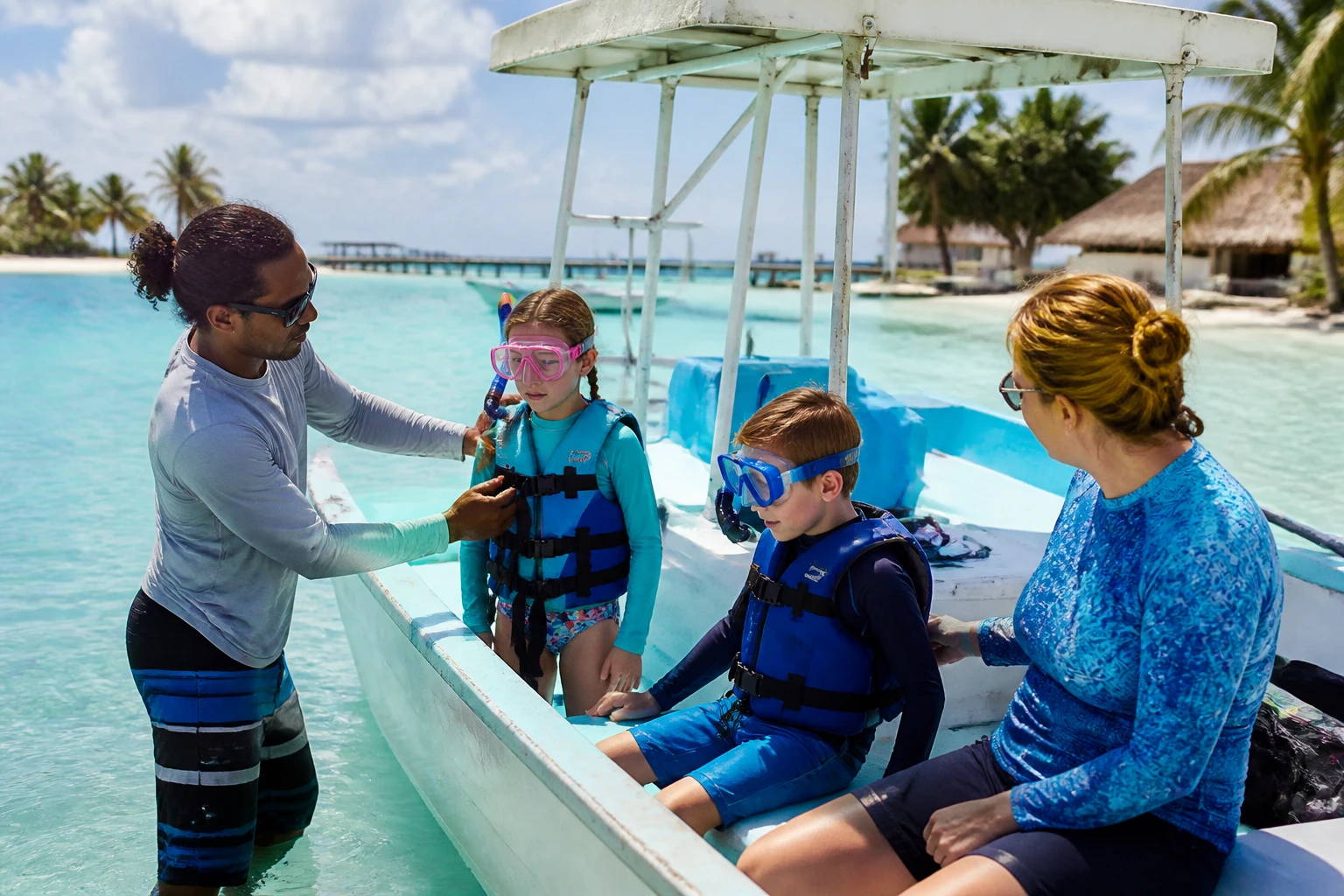
This age often works well for a balanced mix of wildlife, history, boat travel, and supervised water activities. Give each day a simple theme, such as forest, Maya history, food, or reef life. Before a snorkeling trip, explain the boat routine and confirm that the operator supplies appropriately sized safety equipment. Children who are uneasy in open water need an alternative plan.
For teenagers
Teenagers can take part in longer outings when the operator’s age, health, and ability rules permit. Let them help compare Belize tours by duration, physical demands, transfer time, and what is included. Giving older children a planning role creates useful expectations and makes it easier to spot an activity that interests only the adults.
Plan reef and snorkeling days carefully
A reef day can become a family highlight when the trip matches everyone’s swimming ability. Before booking, ask about minimum ages, boat boarding, flotation devices, guide-to-guest arrangements, time spent in the water, shade on the vessel, and alternatives for non-swimmers. Review the operator’s safety requirements with children before departure rather than introducing them on the dock.
Marine protected areas can charge fees, and those charges are not universal snorkeling prices. Official documents show that reserve and activity-specific fees can apply, while a separate Hol Chan charge relates to sports fishing. Ask which reserve the trip enters, which activities the family is booking, and whether applicable fees are already included in the quoted total.
Pack reef-safe sun protection if required by the operator, secure hats, drinking water, dry clothing, and any child medication needed during the outing. Avoid filling the evening with another fixed reservation. Boat trips involve sun, spray, equipment, and concentration, so a simple meal and an early night can be the most sensible follow-up.
Families considering an island base can use an Ambergris Caye travel guide to understand the destination before choosing accommodation and excursions. Pair that planning with a broader introduction to Belize’s reef so children know why guides set rules around wildlife, equipment, and protected areas.
Visit Maya sites without overloading the day
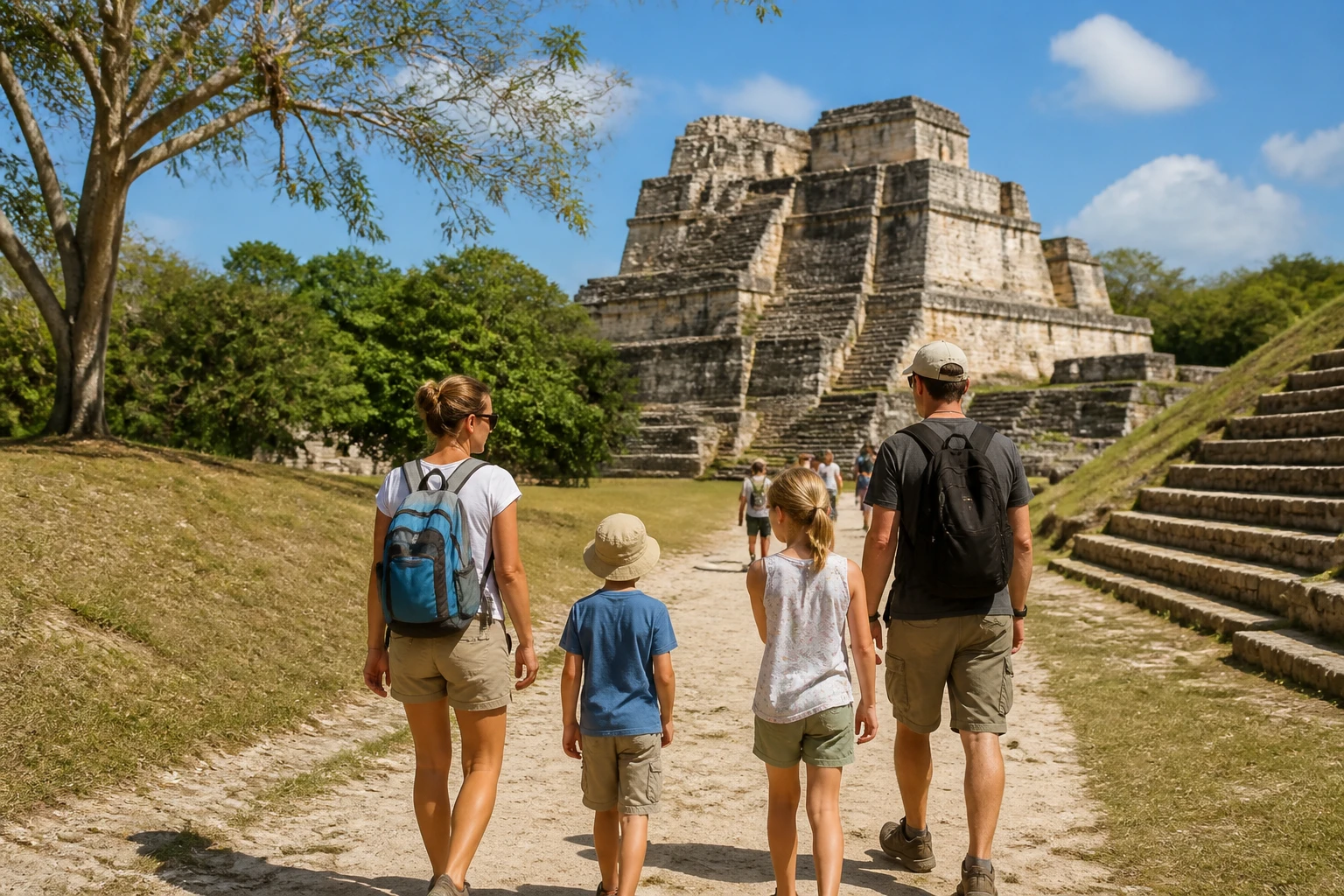
Maya sites can turn history into a physical experience, but families should select the reserve rather than treating every site as interchangeable. Walking surfaces, trails, facilities, parking, and visitor routes differ. Protected areas across Belize also fall into several management categories, so access rules and amenities vary substantially from one nature or heritage stop to another.
Do not count on universal stroller or wheelchair access. Official visitor guidance for an archaeological reserve advises suitable footwear for rugged terrain, remaining on marked trails, and using handrails where provided. Ask the site manager or tour operator about the current route, steps, surfaces, assistance, restroom access, and the distance between parking and the main visitor areas.
Keep children engaged with a small mission: notice carved details, compare building shapes, sketch a structure, or listen for wildlife around the trails. Follow all barriers and instructions, and never encourage climbing unless the site explicitly permits it. Bring water, sun protection, sturdy footwear, and a snack that can be eaten in an allowed area.
Admission varies by archaeological reserve, and official listings distinguish child categories, including under 12 and under 5. Check the live ticket listing before setting the family budget because the price depends on the site and visitor category. A dedicated introduction to Belize’s Maya sites can help narrow the choices before comparing transport and tour arrangements.
Compare domestic flights and boat transfers
A short domestic flight can reduce transfer time, while a boat can make the journey part of the experience and may suit a different budget. Official family-itinerary material describes a flight between Belize City and Caye Caulker as taking about 15 minutes. That figure covers the flight itself, not check-in, baggage handling, waiting, or onward transportation.
Compare the complete door-to-door trip. Include the journey to the terminal, required arrival time, baggage limits, waiting time, the ride after arrival, and the effect of weather on the chosen service. Current schedules, fares, luggage policies, and disruption rules should come directly from the carrier or boat operator.
Parents heading to an island can consult a Belize Airport to San Pedro transportation guide while building this part of the trip. Keep essential medicine, one change of children’s clothes, travel documents, and basic snacks in an accessible personal bag. Do not pack anything required immediately after arrival where it becomes difficult to reach during the transfer.
Choose travel dates by tradeoffs, not promises
Belize has tropical conditions throughout the year, and tourism material describes summer as the Green Season, with festivals and potential offers. That label should not be treated as a guarantee about conditions on a particular day. Families should choose dates by balancing weather tolerance, expected demand, school calendars, and possible value.
Build flexibility into any weather-sensitive plan. Avoid placing the most important boat outing immediately before departure, and understand the operator’s cancellation or rescheduling terms before paying. Check the local forecast and marine conditions close to the activity date. If conditions change, a cultural activity, meal experience, or rest period can keep the day enjoyable without forcing the original schedule.
Heat, rain, and strong sun can affect a child’s stamina even when an outing continues as planned. Carry water and sun protection, and schedule breaks before children become exhausted. Lightweight rain layers and dry bags help protect clothes and electronics, but the most useful tool is spare time. A schedule with breathing room adapts better than a chain of nonrefundable commitments.
Budget for the costs that sit outside the room rate
A dependable family budget needs live quotes for accommodation, transport, and tours. These major costs vary by date, provider, group size, room configuration, and activity. Avoid relying on a single national daily estimate. Instead, build the total line by line and leave a reserve for schedule changes or an unplanned meal during a long transfer.
- Accommodation, including the room configuration the family actually needs
- International and domestic transport, plus terminal transfers
- Tours, equipment, applicable taxes, and operator charges
- Archaeological-reserve admission by adult and child category
- Marine protected-area or activity-specific fees when applicable
- Meals, drinking water, laundry, gratuities, and a contingency fund
Ask tour providers for a clear list of inclusions before comparing totals. Transportation, meals, equipment, reserve admission, and child pricing can change the real cost. For archaeological reserves, review the live ticket categories. For reef activities, identify the exact protected area and determine whether its fee is included rather than assuming all marine charges are the same.
Check passports and consent documents early
Review every traveler’s documents before paying for nonrefundable arrangements. Belize Tourism Board visitor guidance calls for at least 30 days of passport validity in the circumstances described on its entry page. Because requirements depend on nationality and itinerary, confirm visa rules and passport validity with the relevant authority and check the airline’s document requirements before booking.
A child traveling with only one parent requires a notarized letter of authority from the other parent indicating consent to travel, according to the same visitor guidance. Families with guardianship, custody, adoption, or different-surname circumstances should identify the documents relevant to their situation well before departure. Keep important papers secure and accessible during check-in and border procedures.
- Check passport validity for every adult and child.
- Confirm nationality-specific visa and entry rules.
- Review the airline’s document requirements.
- Prepare the required notarized parental-consent letter when a child travels with one parent.
- Store copies separately from the original documents.
Pack for water, trails, transfers, and downtime
Packing for Belize with kids is easier when each item serves one of four needs: sun, rain, water, or uneven ground. Choose quick-drying layers and footwear appropriate for the booked activities. Keep the first day’s essentials in carry-on bags in case checked luggage is delayed, and give older children a small daypack they can manage themselves.
- Passports, consent papers, booking details, and secure document copies
- Sun hats, suitable sunscreen, sunglasses, and refillable water bottles
- Light rain layers, dry bags, and quick-drying clothing
- Closed footwear with useful grip for rough or rugged routes
- Swimwear, rash guards, dry clothes, and correctly sized personal equipment when needed
- Prescription medicine, basic child-care supplies, snacks, and a compact activity for transfers
Do not assume specialized child equipment will be available at the destination or included in a tour. Confirm car seats, flotation devices, snorkeling gear, cribs, and other essential items before arrival. If fit is critical for safety or comfort, bringing a familiar item can be simpler than depending on an unknown size or model.
Use a short pre-departure verification list
Conditions and operating details can change between booking and departure. A few focused checks are more useful than repeatedly contacting every provider. Review the details that could prevent the family from entering Belize, reaching the next base, or joining a booked activity.
- Current entry rules, passport validity, visas, and parental-consent documents
- Local weather and marine conditions for planned outdoor activities
- Domestic flight and boat schedules, baggage policies, and disruption terms
- Archaeological-reserve and protected-area hours, access rules, and facilities
- Tour age limits, health requirements, swimming expectations, and safety equipment
- Pickup point, departure time, inclusions, and cancellation terms for each reservation
Complete these checks shortly before the trip and again when an operator requests reconfirmation. Save essential details where they remain available without a mobile connection. Parents should also make sure every adult knows the next meeting point and carries the accommodation name, transport details, and necessary medicine.
A slower Belize trip gives families more room to explore
Belize works especially well for families that want nature, culture, history, and water activities in one trip. Its main limitation is that exciting options can tempt parents into too many transfers and early starts. Choose two bases, schedule one substantial activity per day, and treat weather flexibility as part of the plan rather than lost time.
The next step is simple: agree on one inland priority and one coastal or island priority, then request current quotes and activity details. Once the major pieces fit the youngest traveler’s abilities, fill the remaining space with meals, swimming, short walks, and rest. That measured pace gives children time to absorb Belize instead of merely passing through it.
Frequently asked questions
How many days should a family spend in Belize?
Allow enough time for two bases without constant packing. A practical family plan combines an inland stay with a coastal or island stay, then limits most days to one major activity. Families with fewer days should reduce the number of bases rather than compressing the same itinerary.
What are good things to do in Belize with kids?
Wildlife experiences, Maya sites, boating, snorkeling, cultural food activities, and beach or island time can all suit families. Choose according to the child’s age, swimming confidence, walking ability, and tolerance for transportation.
Can families use strollers at Maya sites in Belize?
Stroller suitability must be checked for each site and route. Archaeological reserves can include rugged terrain, trails, steps, and uneven surfaces, so ask about current conditions, parking distance, restrooms, and assistance before visiting.
Is flying or taking a boat better for reaching a Belize island with kids?
Flying can reduce journey time, while a boat can suit families prioritizing a sea journey or a different price point. The flight between Belize City and Caye Caulker is described as about 15 minutes, but compare complete door-to-door time, baggage rules, fares, schedules, and weather policies.
Do children need passports to visit Belize?
Children need the travel documents required for their nationality and itinerary. Belize Tourism Board guidance discusses passport validity and says a child traveling with only one parent requires a notarized letter of authority from the other parent indicating consent. Confirm current requirements before booking.
Are marine reserve fees included in Belize snorkeling tours?
Inclusion depends on the operator and the protected area visited. Marine and activity-specific fees are not interchangeable, so ask which reserve the tour enters and whether all applicable charges are included in the quoted price.
When is the best time to visit Belize with children?
The best time depends on the family’s weather tolerance, school schedule, expected demand, and budget. Belize has tropical conditions throughout the year, while tourism material describes summer as the Green Season. Check forecasts and operator conditions near departure rather than expecting fixed weather.
How should families budget for a Belize vacation?
Build the budget from live quotes for rooms, transportation, tours, admission, marine fees, meals, and equipment. Total costs vary too much by date, provider, group size, and room type for one dependable family-wide estimate.