Best Belize Photo Spots
Belize packs an unusual range of subjects into a compact travel canvas: a near-perfect marine sinkhole, temple summits above the forest, wooden piers at daybreak, jungle waterfalls, and a peninsula framed by sea and lagoon. The best Belize photo spots reward a little planning around light and transport. Build the trip around the images you most want, then leave room for weather to shape the day.
- Choose an aerial tour for the classic overhead Great Blue Hole composition; diving is for underwater walls and formations.
- Photograph Caye Caulker’s piers at dawn and head to The Split for sunset.
- Pair Xunantunich, Lamanai, or Caracol with an interest in Maya architecture and jungle-scale views.
- Use Placencia for an easygoing coastal portfolio of beach, lagoon, cayes, and reef-bound water.
- Confirm weather, sea state, road conditions, and departure details close to travel, especially for offshore and remote locations.
Start with the shot you want most
For a signature aerial image, the Great Blue Hole belongs at the top of the list. For people, color, and a gentler rhythm, Caye Caulker is the easy choice. Photographers who prefer stonework and forest horizons should prioritize Maya sites, while southern Belize suits rainforest and coast combinations. This approach prevents a common planning mistake: treating every “blue water” outing as a substitute for an overhead Blue Hole photograph.
Great Blue Hole: the defining aerial photograph
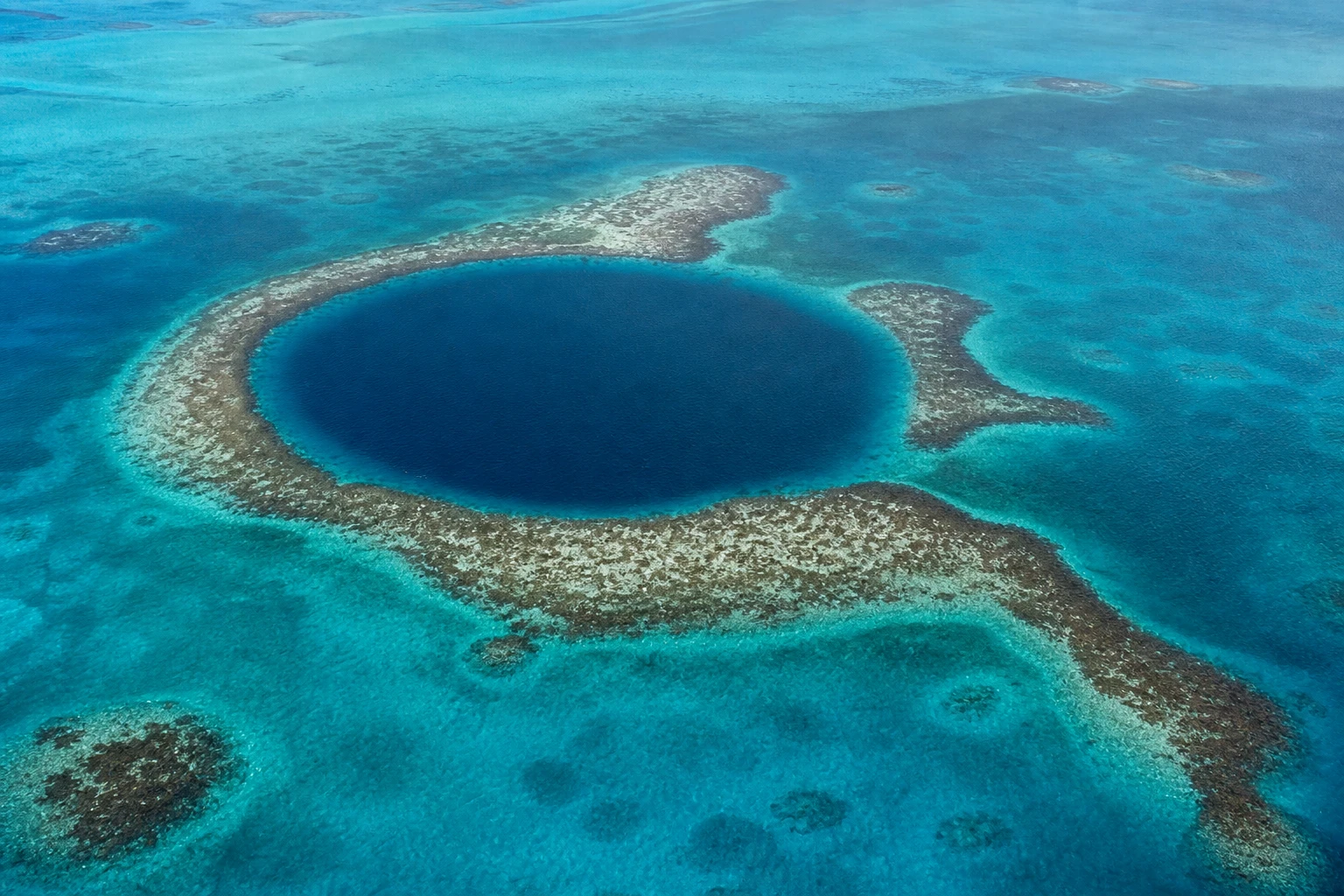
The Great Blue Hole delivers Belize’s most recognizable aerial scene: a dark circular sinkhole set within luminous reef and open sea. An air tour is the photography-forward way to see its geometry. A typical round trip is described as roughly 1.5 hours, with the Blue Hole reached after about 30 minutes in a small aircraft. That short window makes preparation matter. Have your camera ready before reaching the site and keep loose gear secure.
An aerial trip is a premium, weather-dependent experience, and small aircraft are not for every traveler. Aircraft capacity and conditions affect departures, so check the operator’s confirmation and forecast before building the rest of your day around the flight. For deeper planning on this landmark, the Great Blue Hole Belize Guide is a useful companion topic when deciding between flight, boat, and dive experiences.
Choose the experience that matches the image. The view from above captures the Blue Hole’s circular outline. Scuba diving is the route to its underwater walls and formations. A snorkel or boat excursion can still produce strong reef, boat, and sea photographs, but it does not reproduce the overhead image or the interior dive perspective. Matching the excursion to your visual goal keeps expectations clear.
Caye Caulker: piers, painted buildings, and sunset at The Split
Caye Caulker is a fine counterpoint to the Blue Hole: close-up, human-scale, and easy to explore with a camera in hand. Colorful beachfront buildings, public piers, sandy lanes, and the water at The Split create a relaxed island set of subjects. The pier area can be reached from the arrival pier along the beach, so it works well for travelers who want strong images without a demanding transport day.
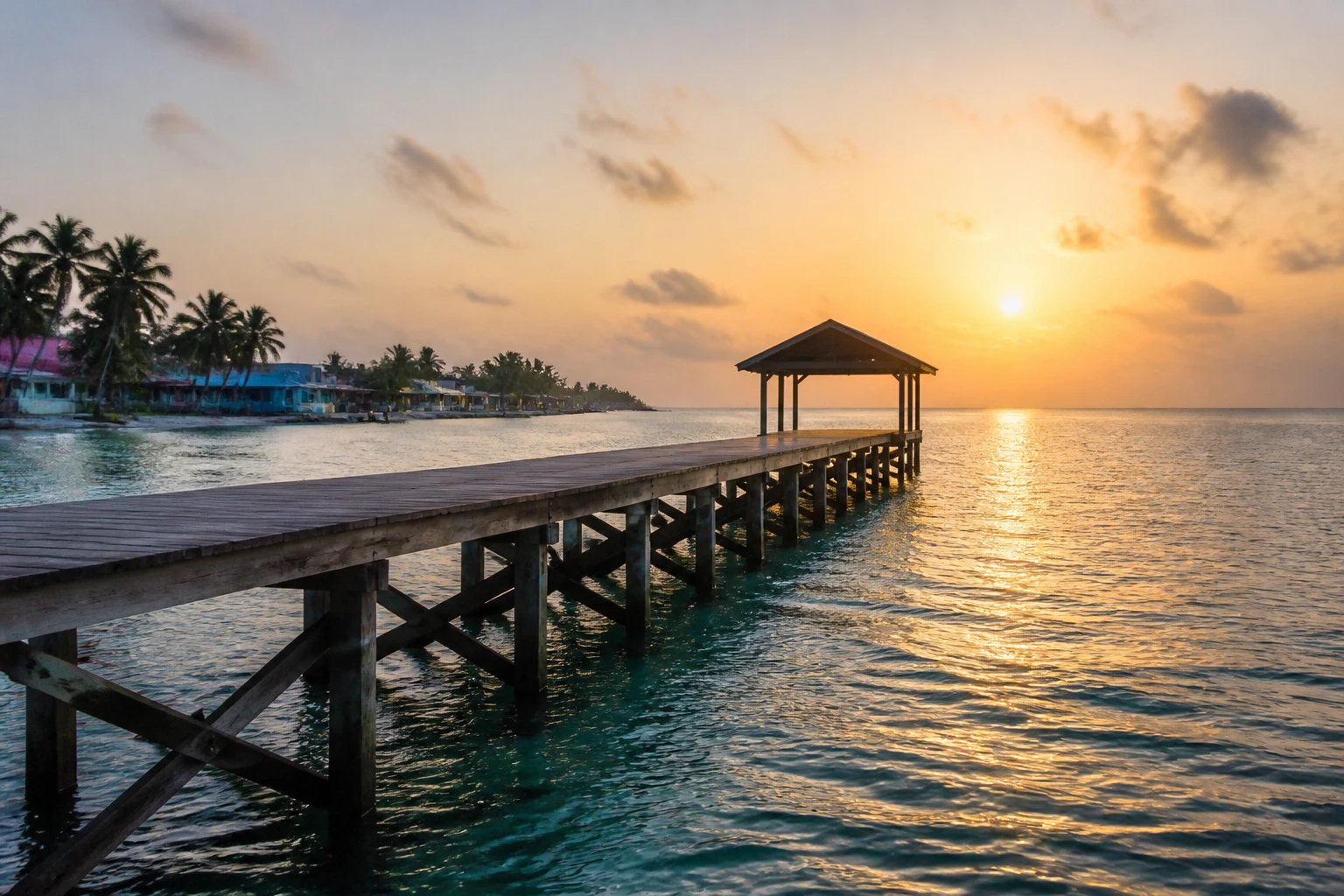
Light determines the best order. Dawn favors pier silhouettes because the sun rises on the leeward side. At day’s end, move to The Split on the windward side for sunset. Arrive early enough to frame the pier against an uncluttered horizon, then let the island wake around you. A Belize City to Caye Caulker transfer is about 1.5 hours by ferry or roughly 15 minutes by flight, making the island a practical addition to a wider itinerary.
Caye Caulker is particularly useful for photographers who want a flexible island base, though offshore Blue Hole photography still needs its own flight or marine excursion. Travelers comparing island bases can also use an Ambergris Caye Travel Guide to consider another Belize island setting with different lodging and transport options.
Maya sites for temple lines and jungle panoramas
Belize’s Maya sites bring texture and scale to a photography itinerary. Xunantunich, Lamanai, and Caracol are the strongest choices for architectural forms and elevated jungle views. At Xunantunich, El Castillo is a major backdrop, with steep stone geometry that changes character as the light shifts. Lamanai suits photographers looking for a late-day temple-and-forest composition, while Caracol gives the day a more remote, expedition-like feel.
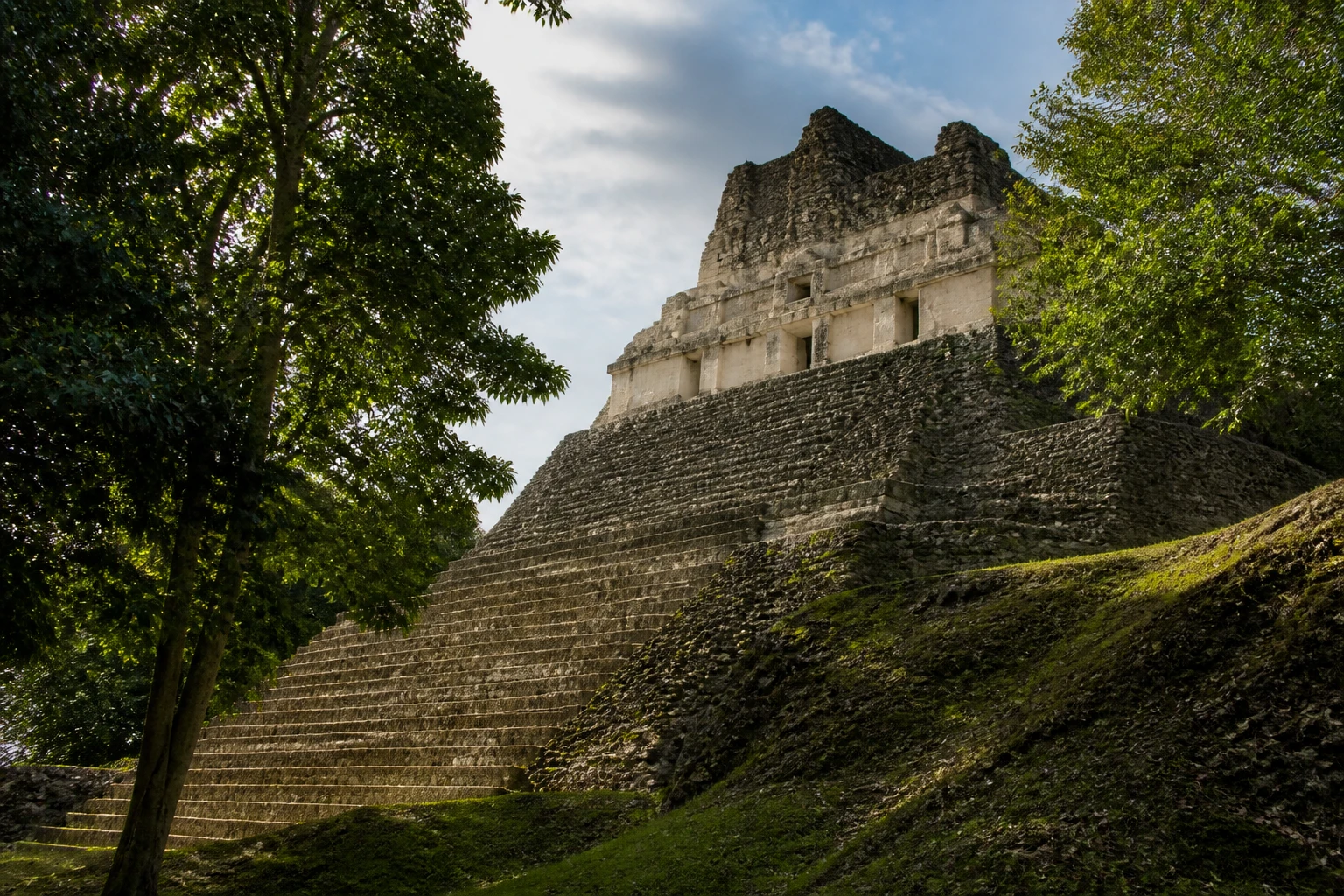
Caracol lies beyond San Ignacio through Mountain Pine Ridge and is commonly a roughly two- to 2.5-hour drive each way. It is best approached as a full commitment, not a quick detour. Road conditions and works can alter the journey, so check locally before self-driving. If ancient cities are central to your trip, the Maya Sites guide is a useful planning subject for building a more focused archaeological day.
| Photo spot | Best photographic strength | Planning tradeoff |
|---|---|---|
| Xunantunich | El Castillo and Maya architecture | A strong fit for temple-focused imagery |
| Lamanai | Sunset light over Maya structures and forest | Best when you can plan around late-day light |
| Caracol | Remote ruins and expansive jungle setting | Longer road journey through Mountain Pine Ridge |
| Barton Creek | Blue cave mouth imagery | A distinctive cave-and-water addition to a Cayo itinerary |
Published 2025 fee rules list standard non-resident admission at BZ$25 for Xunantunich, Lamanai, and Caracol during 8:00 a.m. to 5:00 p.m. Early and late entries have separately listed BZ$20 prices where offered. These are site admission fees, not the total cost of reaching each location. Transport, guiding, and tour arrangements are separate, and fees and hours should be reconfirmed before travel.
Still comparing Best Belize Photo Spots?
Ask for tour ideas, hotel suggestions, or a simple trip plan that combines both.
Trip Helper
Cockscomb and Victoria Peak for rainforest effort
Cockscomb Basin Wildlife Sanctuary is for photographers who want green depth, wet stone, trail texture, and waterfall movement. Tiger Fern waterfall is a highlighted subject within Cockscomb. Bring protection for camera gear, water, and footwear suited to uneven, potentially wet terrain. This is nature photography with a hike attached, rather than a quick roadside stop.
Victoria Peak raises the effort further. Its summit view is the reward after a demanding hike, making it suitable for fit travelers who value a hard-won landscape image over an easy access point. Trail conditions, closures, guide requirements, and access arrangements can change, so check them with the managing authority or a licensed operator before setting out. The Jungle guide is a useful subject to explore when choosing additional rainforest experiences.
Placencia for sea, lagoon, and southern cayes
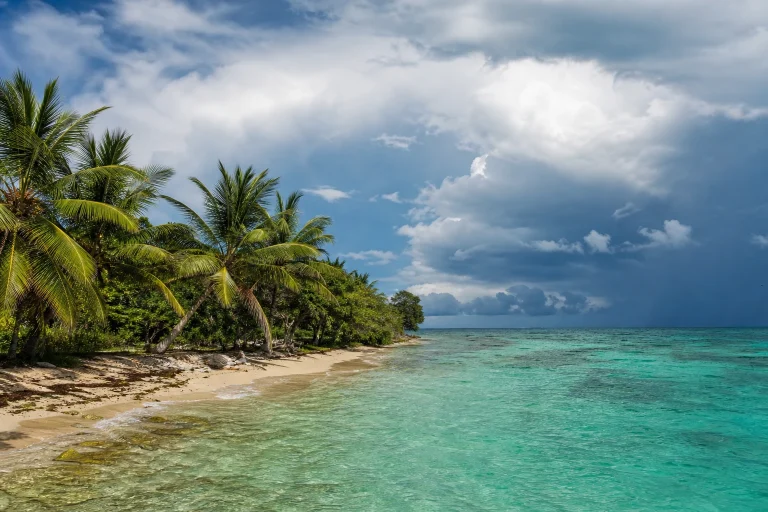
Placencia is a practical mainland base for photographers who want coastal variety without making the Great Blue Hole the centerpiece. The Caribbean Sea lies to the east and Placencia Lagoon to the west, putting beach scenes and lagoon light within the same peninsula setting. Southern cayes and the barrier reef add possibilities for boat-based water imagery. Think of Placencia as a place to build a layered coast-and-water portfolio at an unhurried pace.
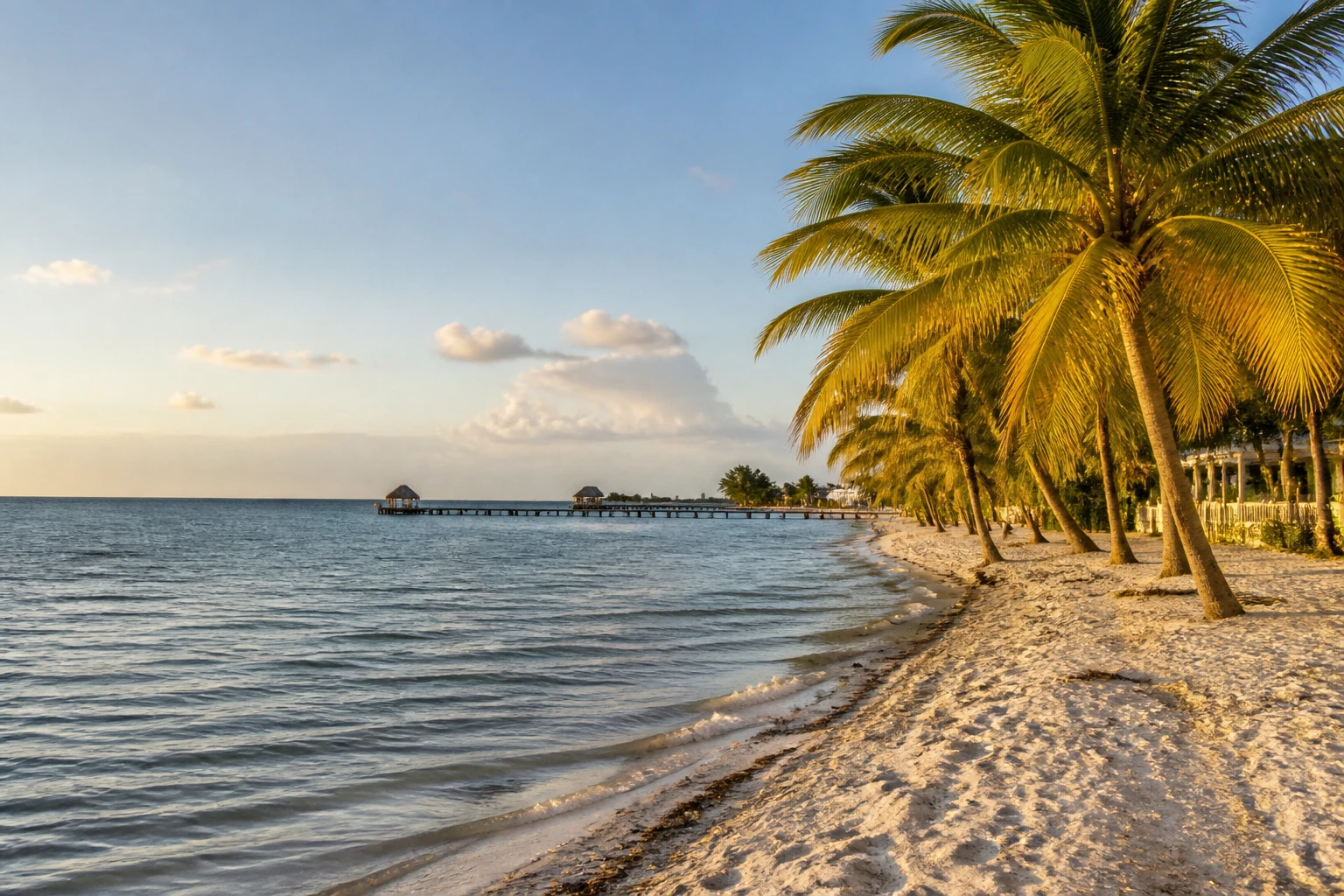
Use the beach for broad horizons and early or late light, then look west toward the lagoon for a different water-and-sky composition. It is an especially useful choice for travelers who want coastal photographs alongside nearby southern nature experiences. For a broader comparison of shoreline settings, the Best Beaches in Belize guide is a relevant planning subject.
Build a Belize photography itinerary that works
- Reserve the Great Blue Hole flight first if the aerial image is non-negotiable, then keep a weather-friendly buffer in your schedule.
- Add Caye Caulker for one dawn pier session and one evening at The Split.
- Choose one Maya-site day: Xunantunich for accessible architectural focus, Lamanai for sunset potential, or Caracol for a longer remote outing.
- Choose Placencia for a coast-and-lagoon base, or Cockscomb and Victoria Peak when rainforest images matter more than easy access.
- Recheck forecasts, sea conditions, flight or boat departures, road conditions to Mountain Pine Ridge, and site hours shortly before departure.
Pack for changing environments rather than just a beach day. A camera cover, microfiber cloth, spare battery, and dry bag help around boats, beaches, and waterfalls. For temple and rainforest days, bring drinking water, sun protection, and shoes with dependable grip. Keep the photography plan simple: one hero location per day, one strong light window, and enough time to notice the smaller frames between the obvious landmarks.
The best Belize photo spot for your travel style
Pick the Great Blue Hole if one exceptional aerial image is worth the premium and weather dependence. Choose Caye Caulker for easy island scenes at both ends of the day. Head to Xunantunich, Lamanai, or Caracol for Maya architecture framed by forest, and reserve Cockscomb or Victoria Peak for a more physical rainforest challenge. Placencia is the calm, flexible choice for sea-and-lagoon variety. Belize rewards photographers who select a few contrasting landscapes and give each one the time it deserves.
Frequently asked questions
What is the most famous photo spot in Belize?
The Great Blue Hole is Belize’s most famous photographic subject, especially when viewed from the air. An aerial tour captures the sinkhole’s circular shape within the surrounding reef.
Can you photograph the Great Blue Hole from a boat?
Yes, a boat trip can produce sea, reef, and excursion images, but it does not provide the iconic overhead view of the Great Blue Hole. Scuba diving is the option for photographs of its underwater walls and formations.
Where should I photograph sunrise and sunset on Caye Caulker?
Photograph pier silhouettes at dawn and go to The Split for sunset. The sunrise position favors the leeward side, while The Split is on the windward side for late-day light.
Which Belize Maya sites are best for photography?
Xunantunich, Lamanai, and Caracol are leading choices for Maya photography. Xunantunich features El Castillo, Lamanai is suited to sunset imagery, and Caracol offers a more remote jungle setting.
How long does it take to get from Belize City to Caye Caulker?
Allow about 1.5 hours by ferry or roughly 15 minutes by flight from Belize City to Caye Caulker. Actual transfer timing depends on the service selected.
What should I check before a Belize photography trip?
Check the forecast, sea state, and flight or boat departure details for offshore excursions, plus road conditions for Mountain Pine Ridge and current hours for archaeological sites. These factors can affect access and timing.