
Belize Barrier Reef Guide
The Belize Barrier Reef is best approached as a collection of possible days on the water, not one fixed attraction with one right itinerary. Your ideal experience depends on whether you want to snorkel close to the surface, dive deeper sites, spend a full day offshore, or build in time for shore-based Belize. Start by choosing the kind of water day you want, then select an operator and departure base that fit it.
Start with the reef experience you want
- Choose snorkeling for a surface-focused reef day, or scuba diving if you are certified and want access to dive sites.
- Ask operators which sites suit your experience level, interests, and the day’s conditions.
- Treat weather as part of the plan, especially for boat travel between June and November.
- Keep fins, hands, cameras, and bodies clear of coral and marine life.
- Build flexibility into the itinerary so a weather-dependent water day does not carry the whole trip.
A reef day can feel wonderfully simple once the boat leaves shore: salt on the rail, a mask fogging in warm air, and the sudden focus of looking down through clear water. The planning is where the useful choices happen. Ask what the trip is designed around, how much time will be spent in the water, what equipment is included, and what experience or certification is expected. Exact inclusions, meeting points, and schedules depend on the operator and booking.
Snorkeling or diving: choose the right kind of day
Snorkeling is the natural choice for travelers who want to spend their time observing the reef from the surface with a mask, snorkel, and fins. It also works well when a group has mixed comfort levels in the water. Before reserving, ask about flotation support, the depth and nature of the planned stops, the boat ride, and how the crew handles first-time snorkelers. A good briefing should make the day feel organized before anyone enters the water.
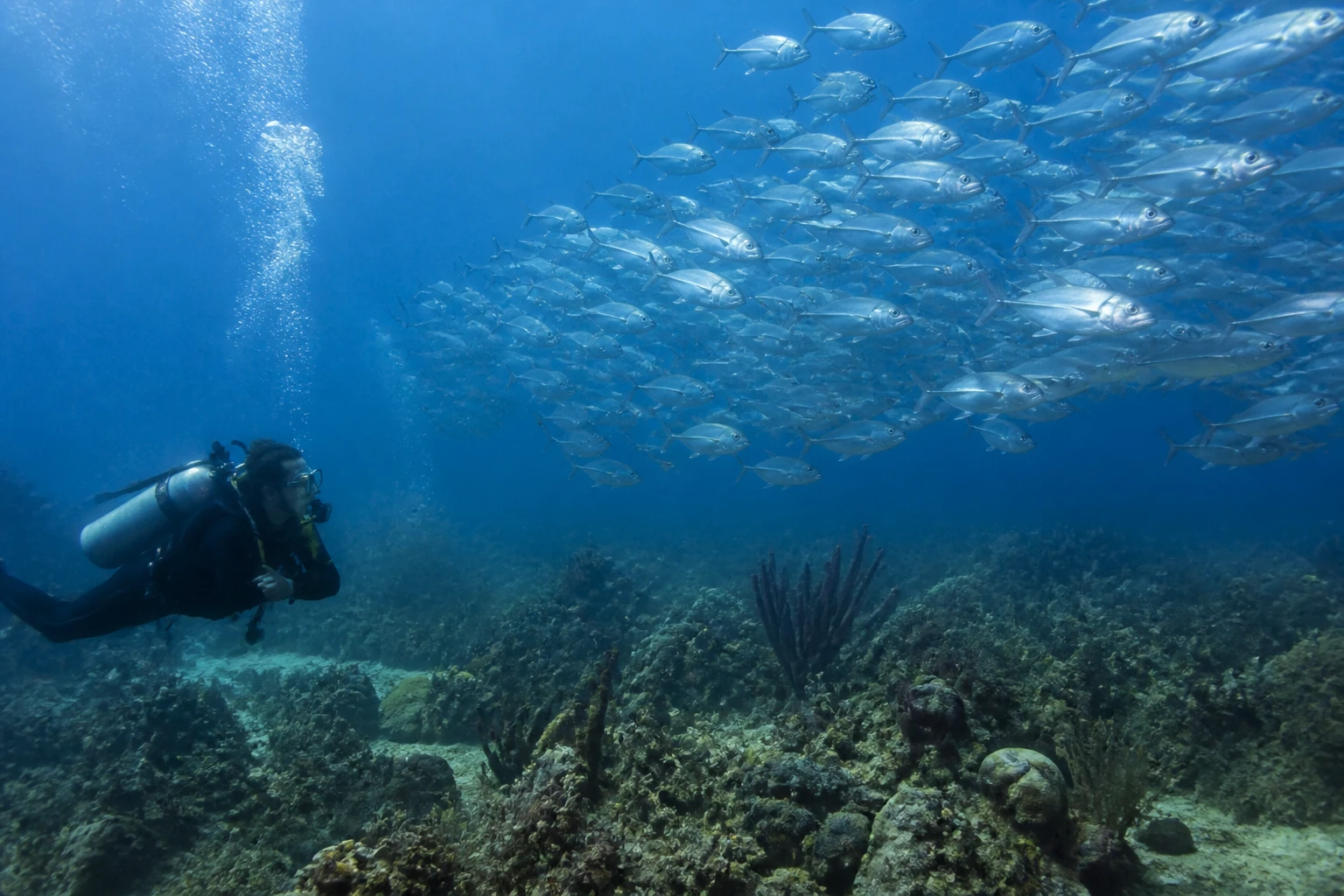
Scuba divers should select a trip by site and diving goals rather than chasing a generic claim of “best.” Belize has several reef-dive areas with different draws. Turneffe’s Elbow, for example, is known for schools of jacks and snappers, sharks, and eagle rays. That makes it a compelling option for divers interested in active pelagic life, while another site may better suit a different plan or logistics. Tell the dive operator your certification, recent experience, and priorities.
The Great Blue Hole is a separate planning decision for many divers and is worth treating as its own outing rather than an assumed add-on. For trip-specific context, see the site’s Great Blue Hole Belize guide. Keep the conversation with an operator practical: ask which sites are planned, what the day requires, what gear is supplied, and how conditions can affect the itinerary. This is especially important when a group includes both snorkelers and divers.
Pick a base that makes boat days easier
Where you sleep shapes the rhythm of a reef trip. A convenient departure point can make early starts, equipment preparation, and post-boat downtime easier to manage. Choose a base only after identifying the type of trip you want and the operators you are considering. If Ambergris Caye is on your shortlist, the site’s Ambergris Caye Travel Guide can help frame that island stay within a broader Belize itinerary.
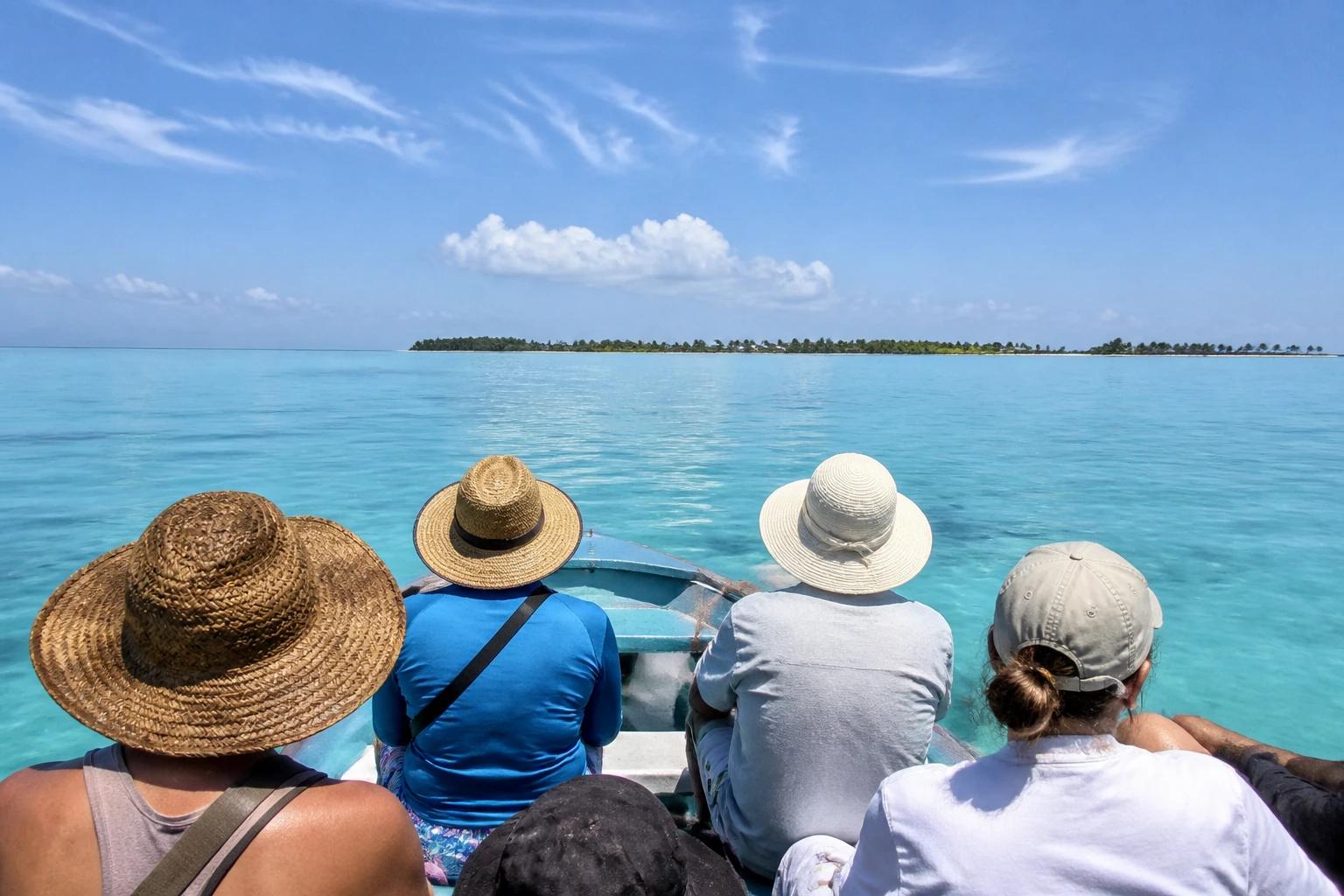
Travelers arriving through Belize’s main airport and continuing to San Pedro should map that transfer before locking in the first reef departure. The Belize Airport to San Pedro Transportation Guide is useful for planning that connection as a distinct travel day. Avoid arranging a tightly timed reef excursion immediately after a flight or onward transfer. A buffer gives you room for delayed luggage, changing transport timing, and a more relaxed first evening.
For first-time visitors, it helps to decide how much of the holiday belongs on the water. A full itinerary can combine reef outings with inland or cultural experiences, but reef days deserve enough breathing room to be enjoyable. The Complete Guide to Belize for First Timers offers a useful wider-country planning lens. Put the most weather-sensitive activity early enough in the trip that you retain options if conditions change.
Plan around weather, sea conditions, and boat travel
Belize’s tropical-storm and hurricane season runs from June through November. Heavy rain and flooding can occur during the rainy season, and weather can affect boat transfers and water activities. That does not mean every day is unsuitable for the reef. It does mean that conditions, routes, and departure decisions need to remain flexible. Keep an alternative land-based activity in reserve, and let the operator’s safety decisions set the pace for the day.
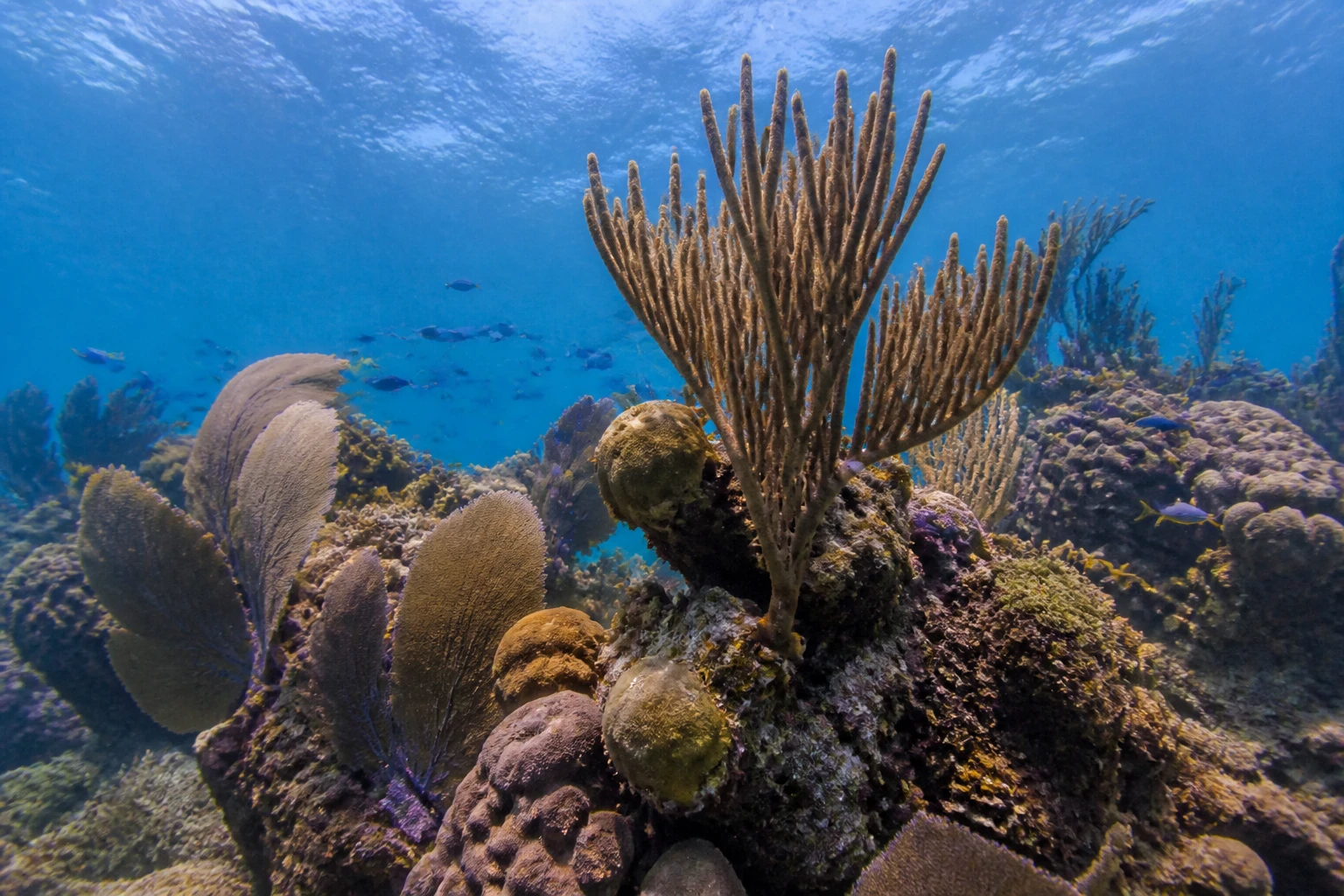
The most comfortable reef itinerary leaves space around fixed plans. Schedule a priority snorkel or dive trip before the final day, avoid stacking important transfers immediately after it, and keep the booking confirmation handy for the exact meeting point and departure time. If you are prone to motion sickness, plan ahead with the approach that works for you and take the boat ride as seriously as the time in the water.
Still comparing Barrier Reef?
Ask for tour ideas, hotel suggestions, or a simple trip plan that combines both.
Trip Helper
How to enjoy the reef without harming it
The reef is not a place to touch, stand on, chase, or feed. Belize’s responsible-tourism guidance asks visitors to keep physical distance from coral, plants, and animals; never touch or stand on coral; and never feed wildlife. These habits protect living reef structures and make encounters less disruptive for animals. Follow the crew’s briefing, control your fins, and pause before reaching for a close photograph.
- Listen closely to the in-water briefing and follow the guide’s route and signals.
- Keep a clear physical distance from coral, plants, and animals.
- Never stand on or touch coral, even when adjusting a mask or taking a photo.
- Do not feed wildlife or attempt to draw animals closer.
- Choose an operator that makes reef etiquette part of the trip, not an afterthought.
Responsible behavior also improves the experience. Good buoyancy, deliberate finning, and patient observation reveal more than a rushed approach ever will. If you are new to snorkeling, say so before departure and ask for guidance on clearing a mask, using flotation, and moving without kicking downward. Divers should be candid about their comfort and recent diving history so the operator can direct them toward an appropriate outing.
What to ask before booking a reef trip
A short, specific set of questions will help you compare reef excursions without relying on vague labels. Ask where the boat departs, the likely duration, the planned activity level, the experience requirements, and what is included. For divers, confirm the planned dive area, certification requirements, equipment arrangements, and any limits relevant to the trip. For snorkelers, ask about instruction, flotation options, and the water-entry method.
| Planning question | Why it matters |
|---|---|
| What activity and sites are planned? | Reef areas offer different experiences, so the answer should match your interests and ability. |
| What experience, certification, or health requirements apply? | This helps the operator place you on an appropriate trip. |
| What does the booking include? | Equipment, transport, food, and site access can vary by trip. |
| Where and when is the meeting point? | Boat days often begin earlier than travelers expect. |
| What happens if weather affects the trip? | Weather can alter or interrupt boat-based activities, particularly during the June-to-November season. |
Do not plan on a fixed published cost for a Belize Barrier Reef outing. Prices can vary by operator, trip design, equipment needs, transportation, taxes, and date. Request a current quote for the exact excursion you want, then compare what each option includes rather than comparing a headline number alone. This is particularly important for multi-stop, offshore, or dive-focused days.
Pack for a functional day on the water
Bring a swimsuit, towel, drinking water, sun protection, and a dry layer for the ride back. A hat and sunglasses help on deck, while a small dry bag protects essentials from spray. If you use prescription eyewear or need personal medications, sort out the practical details before boarding. Bring only what you can keep secure and manageable on a moving boat.
For cameras, prioritize control over proximity. A photograph is never worth brushing coral, crowding an animal, or losing balance near another swimmer. Practice basic mask and fin comfort before the day if possible. The less energy you spend managing equipment, the more attention you can give to the reef and to the guide’s instructions.
Safety, insurance, and access considerations
Travelers should make a practical insurance choice before committing to water activities. The U.S. Department of State advises that serious injury or illness in Belize can require evacuation. If you plan to scuba dive, confirm that your policy covers scuba activity, boat-related incidents, and medical evacuation. Review the policy limits and exclusions before travel rather than assuming an ordinary plan covers every water-based activity.
Accessibility needs require an operator-by-operator conversation because vessel boarding and shore facilities can differ substantially. Ask specifically about the boarding method, gangway or step dimensions, crew assistance, flotation devices, sea-state limits, onboard facilities, and accessible transport to the departure point. Give the operator enough detail to explain what will make the outing workable and comfortable for you.
For U.S. travelers, entry guidance includes carrying proof of onward or return travel and sufficient funds. Rules vary by nationality, so check passport, visa, and airline document requirements for your own citizenship before departure. Visitors staying beyond 30 days must obtain an extension at a Belize immigration office; the cited U.S. guidance lists a US$100 monthly extension fee, for stays of up to six months.
Make the Belize Barrier Reef the centerpiece, not the entire schedule
The strongest Belize Barrier Reef trip is tailored rather than overpacked. Snorkelers can focus on comfortable, well-briefed time in the water. Certified divers can choose sites that align with their experience and interests, including areas such as Turneffe’s Elbow for its jacks, snappers, sharks, and eagle rays. Leave room for shifting weather, travel logistics, and recovery time after a full boat day.
Choose a responsible operator, protect the reef through every interaction, and give yourself a flexible itinerary. Those decisions turn a reef outing into more than a checklist stop: they create the conditions for an attentive, memorable day on Belize’s water.
Frequently asked questions
Is the Belize Barrier Reef better for snorkeling or diving?
Both can be rewarding, but the better choice depends on your comfort in the water and goals. Snorkeling suits surface-level observation and mixed-ability groups, while certified divers can choose among distinct dive areas and site types.
What is a notable dive area in Belize?
Turneffe’s Elbow is a notable option for divers interested in schools of jacks and snappers, sharks, and eagle rays. Select a dive area with an operator based on your certification, experience, interests, and the day’s conditions.
When is hurricane season in Belize?
Belize’s tropical-storm and hurricane season runs from June through November. Heavy rain and flooding can occur during the rainy season, so boat transfers and reef activities need flexibility during this period.
How should visitors behave around Belize’s coral reef?
Keep physical distance from coral, plants, and animals, and never touch or stand on coral. Visitors should also avoid feeding wildlife and follow the operator’s in-water briefing.
What should I confirm before booking a Belize Barrier Reef tour?
Confirm the departure point, duration, planned activity, experience requirements, included equipment and services, and the operator’s weather policy. Prices and inclusions vary by excursion, so request a current quote for the exact trip.
Do I need specialist travel insurance for scuba diving in Belize?
If you plan to scuba dive, choose insurance that specifically covers scuba activity, boat-related incidents, and medical evacuation. Serious injury or illness can require evacuation from Belize.