Belize Beach Vacation Guide
A Belize beach vacation is shaped by water. The country’s coastal experience centers on island stays, boat rides, snorkeling and diving outings, and time along the Belize Barrier Reef. A good plan begins with one choice: stay on a caye for a trip built around the sea, or use the mainland coast as part of a broader Belize itinerary with driving and inland adventures. Both approaches work, but they create very different rhythms.
Belize beach vacation essentials
- Choose a caye base for water-taxi connections and easy access to reef-focused activities.
- Choose the mainland coast if you want beach time alongside a road trip and inland stops.
- Build flexibility into June through November, Belize’s tropical-storm and hurricane season.
- Use a reputable certified snorkel or dive operator, and check that boats carry life jackets and radios.
- Keep your distance from coral, wildlife, and plant life in the Belize Barrier Reef.
- Book travel medical and evacuation coverage before a trip that includes remote islands or water excursions.
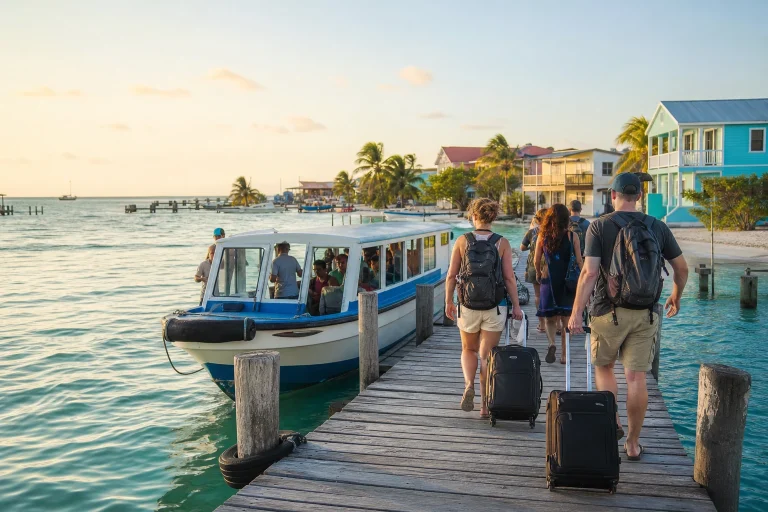
For many visitors, the simplest beach-first format is to arrive, transfer to an island base, and let boats replace rental-car logistics for several days. Regularly scheduled water taxis connect Belize City with Caye Caulker and San Pedro, so the cayes can be practical without driving. Travelers who want a mix of coast, jungle, caves, or Maya sites often benefit from a mainland route instead.
Choose your beach base: cayes or mainland coast
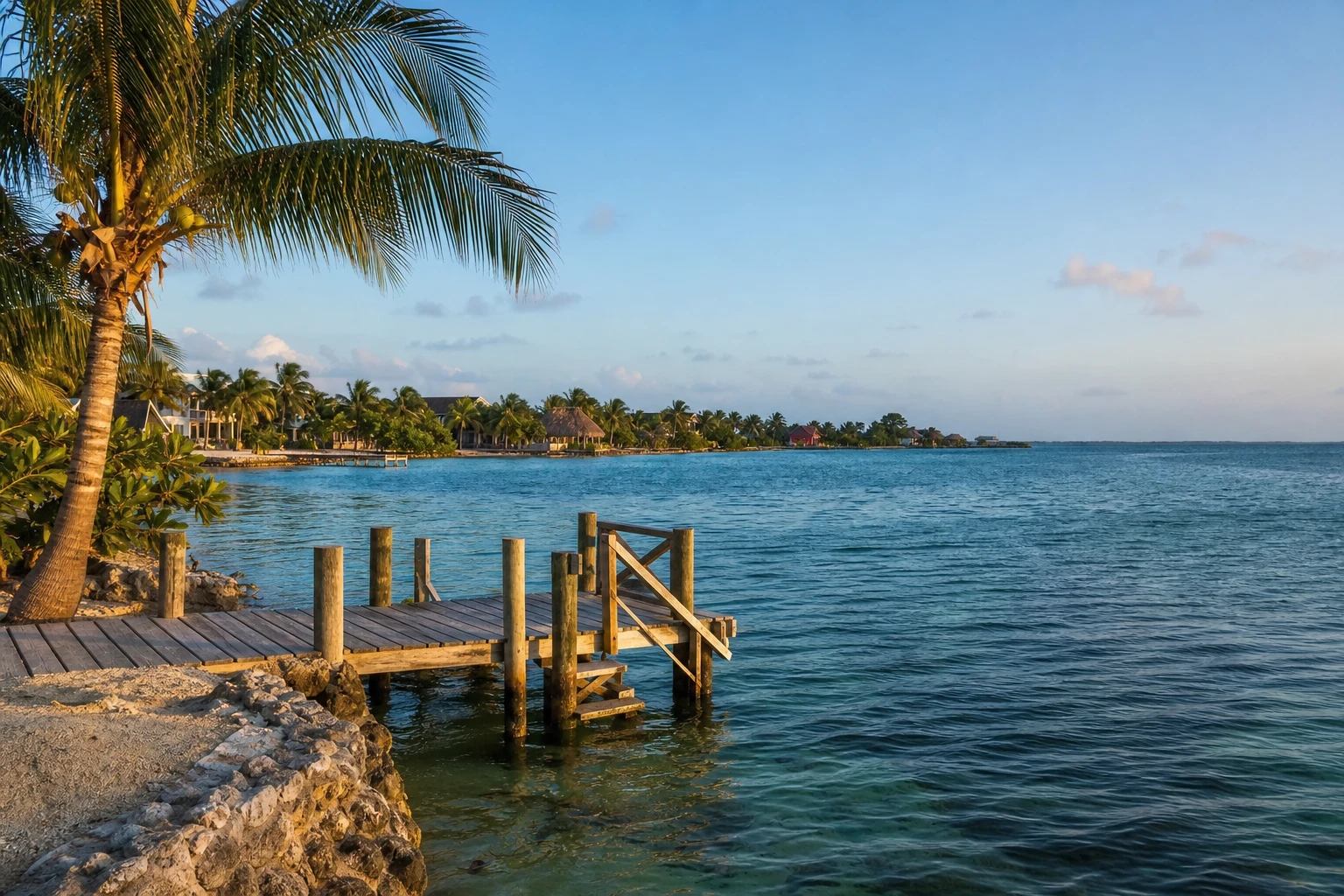
Stay on a caye for a water-centered escape
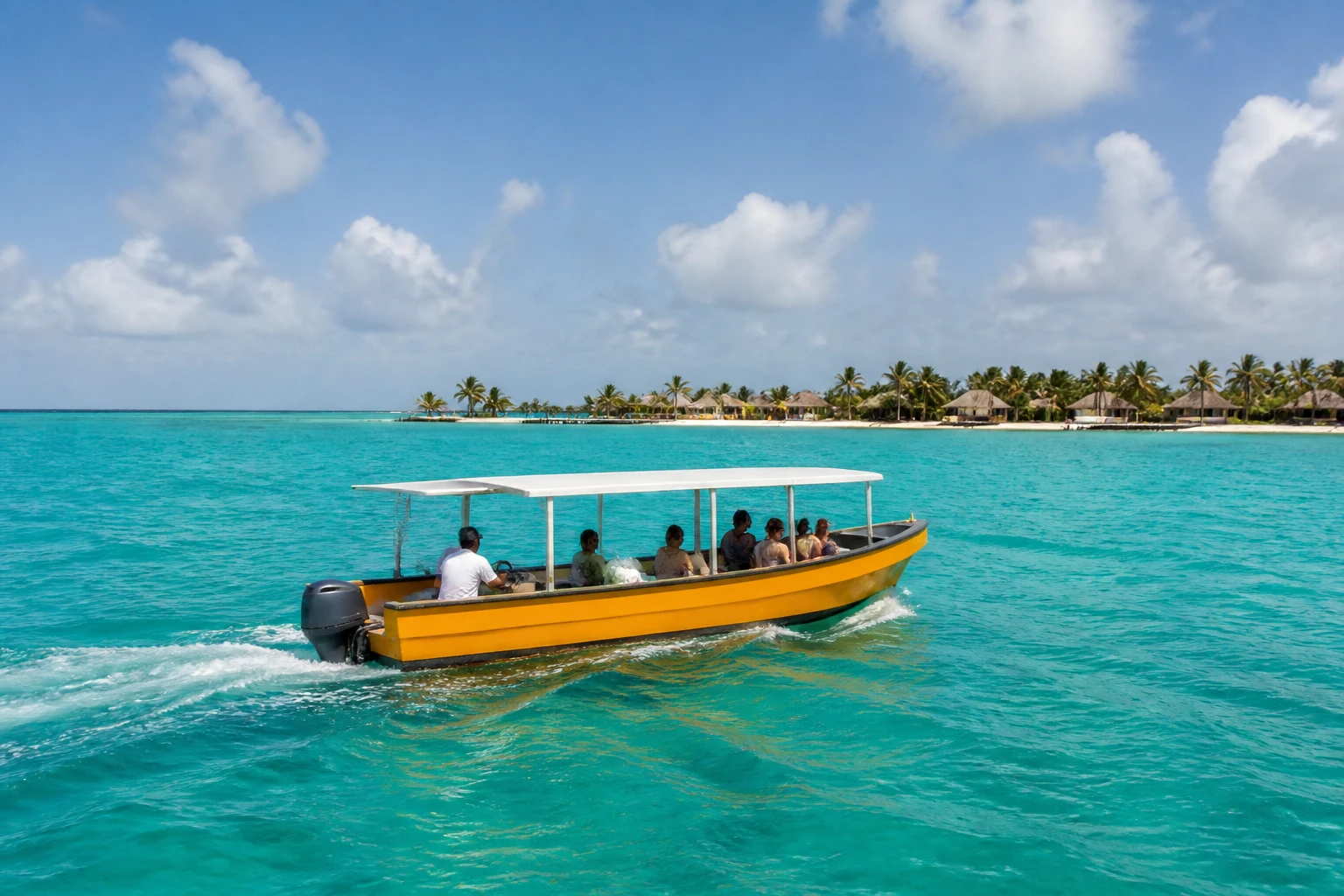
Caye stays suit travelers who want the day to revolve around the water: a morning boat departure, a reef outing, an unhurried lunch, and another walk to the shoreline before sunset. San Pedro and Caye Caulker are linked to Belize City by scheduled water taxi service, making them logical bases for visitors who would rather not rent a car. Transfers by domestic air are another option within Belize’s wider transport network.
A caye itinerary has one useful constraint: every arrival, departure, and day trip depends on boats or flights. Treat transfer times as part of the holiday rather than an inconvenience. Leave room around international flight connections, pack essentials in your day bag, and check the departure details supplied for your selected service. The dedicated Belize Airport to San Pedro Transportation Guide is especially useful for travelers making San Pedro their first stop.
Choose the mainland coast for beach time plus exploration
A mainland coastal plan makes sense for travelers who want the freedom of ground transport and the option to combine beach days with inland activities. Belize’s transport choices include rental cars, buses, ground transport, tour operators, domestic air, and water transport. Southern Belize is particularly suited to a coast-and-road-trip approach, where the beach is one rewarding part of a larger journey rather than the entire itinerary.
The tradeoff is straightforward. Island vacations typically add a paid boat or air transfer, but keep reef activities close to the center of the trip. Mainland stays can simplify overland movement, while reef access and the beach experience take a different form. Neither is automatically better. Match the base to your priorities, then avoid trying to move between too many places in a short stay.
If selecting a specific stretch of sand is your main goal, the Best Beaches in Belize guide can help narrow the beach setting that fits your plans. For a broader island decision, the Ambergris Caye Travel Guide provides useful context on one of Belize’s best-known caye bases. Keep the actual beach day flexible around weather, water conditions, and the activity you have booked.

Actun Tunichil Muknal Cave Tour and Picnic
Actun Tunichil Muknal is a mysterious and beautiful portal to the ancient Maya and their traditions, ceremonies and...

Hol Chan Full-Day Bucket List Snorkeling and Marine Life Tour
We love the natural beauty our country has to offer and want to share it in a fun-filled sustainable way. We'll take...

Full-Day Exploration, Mayan Temple, Belize Cave Tubing and Zip Line
This activity is one of a kind, you'll get a fun, educational adventure from experienced enthusiastic guides. The Ma...
When to plan a Belize beach trip
Belize has dry and wet seasons, and timing affects both the feel of a trip and the amount of weather flexibility you should build in. Historical tourism data identifies March as part of the high season, while lower and shoulder-season travel can offer an alternative to the busiest periods. Use that as a planning cue rather than a promise about current crowds or prices, which vary by property, route, and date.
June through November is tropical-storm and hurricane season, when heavy rain and flooding are possible. That does not rule out a beach holiday, but it makes flexible plans, insurance, and careful attention to local conditions more important. In the February-to-May dry season, drought can affect water supply in some communities. Bring a reusable bottle, use water thoughtfully, and avoid building a tightly timed itinerary around every hour of sunshine.
Getting there and moving around the coast
For U.S. citizens, entry requirements include a passport book, proof of onward or return travel, and sufficient funds. Tourist visas are not required for stays of 30 days or less. Belize also provides a free online arrival and departure immigration and customs declaration form. Entry rules can change, so review the applicable requirements shortly before departure.
Once in Belize, choose transport to fit the itinerary rather than defaulting to a car. Water taxis are useful for Belize City, Caye Caulker, and San Pedro. Domestic air, ground transfers, buses, rental cars, and tours fill out the network elsewhere. A rental car is most useful for mainland exploration; it adds little value to a caye stay where walking, golf carts, and boats shape daily movement.
Avoid driving between cities after dark. Belize City’s south side is designated Level 3: Reconsider Travel in current U.S. travel guidance, while Belize overall is Level 2: Exercise Increased Caution because of crime. Arrange airport and transfer logistics in advance, keep valuables secure, and use the same sensible awareness you would bring to any unfamiliar destination.
Make the reef the center of the experience, responsibly
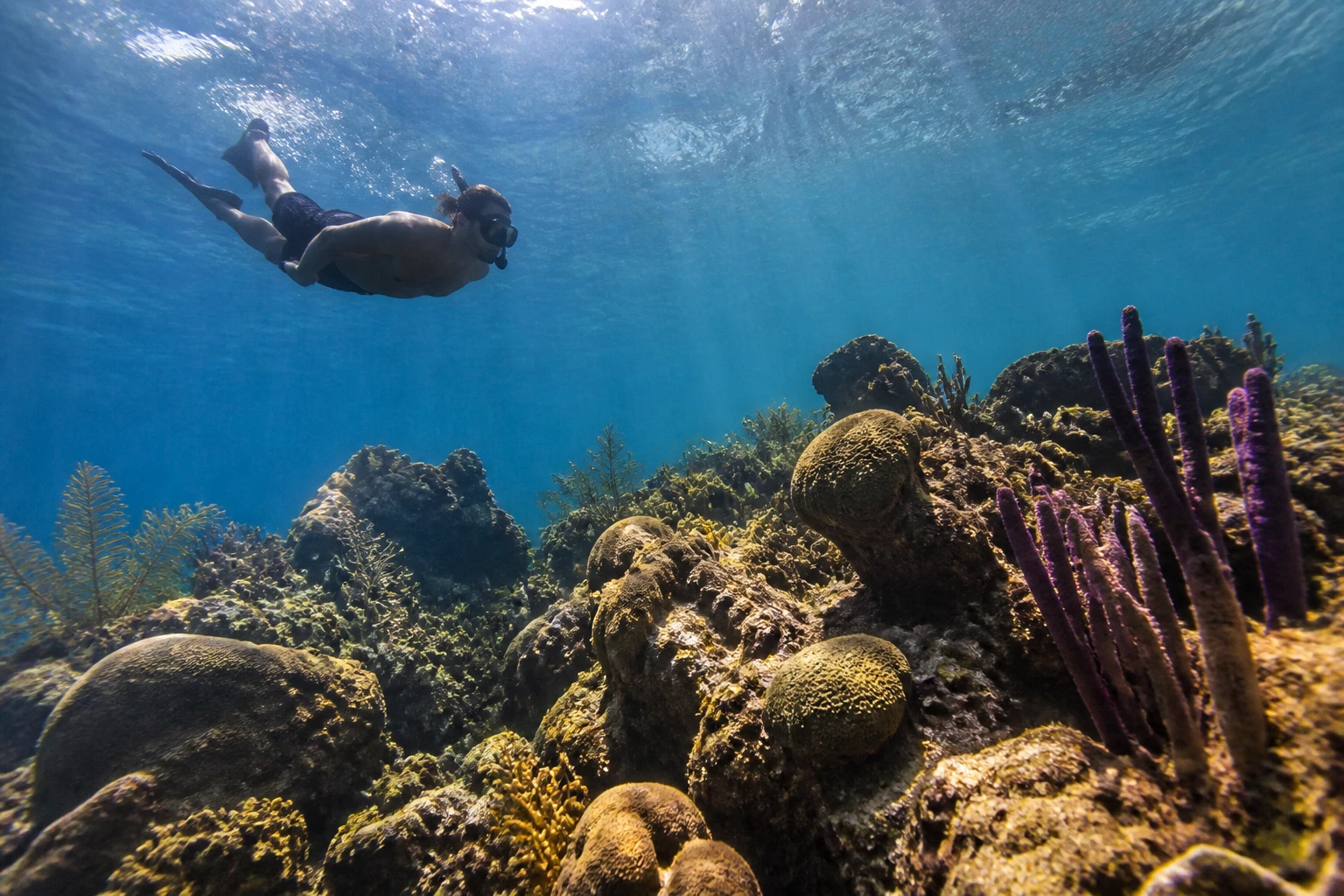
The Belize Barrier Reef is the natural centerpiece of a beach vacation here. Snorkeling, diving, swimming, and boat excursions can reveal a vivid underwater landscape, but the reef is also fragile. Give coral, fish, turtles, and other wildlife physical space. Do not stand on coral or reach for marine life, even when the water is clear enough to make everything feel close at hand.
Pick reputable certified snorkel and dive operators, and ask about the safety equipment on the excursion boat. Life jackets and radios are practical basics. Beaches and rivers can have strong currents, and some places lack lifeguards, warning flags, or signs. Follow the crew’s direction, assess conditions before entering the water, and skip a swim when the sea does not look inviting.
The Great Blue Hole Belize Guide is a useful next read for travelers considering that famous offshore excursion. It is best approached as a planned day on the water, not a casual add-on between breakfast and lunch. Compare the itinerary, sea conditions, equipment, and the experience level expected before committing to an outing.
Have a question about this guide?
Ask for tour ideas, hotel suggestions, or a simple trip plan that combines both.
Trip Helper
Budget, accessibility, and health planning
Avoid relying on a single Belize daily-budget figure. Accommodation, meals, tours, domestic flights, and water transfers vary by season, island, provider, and travel style. The important planning distinction is structural: island stays commonly require boat or air transfers, while mainland coastal stays can reduce transfer complexity. Set a trip budget after pricing your actual dates, base, transfers, and must-do water activities.
Accessibility and infrastructure in Belize do not consistently meet U.S. standards. Travelers who need step-free travel should confirm accessible rooms, beach access, dock conditions, boat boarding, transfer vehicles, and emergency arrangements with each lodging and activity provider before booking. That work is particularly important for remote cayes, where a short distance on a map can include a dock, a boat, and uneven surfaces.
Travel medical and evacuation insurance is a sensible part of a beach itinerary. Private medical care can be expensive and may require payment up front, while serious illness or injury can require evacuation. Carry any essential medication with you during transfers, know how to contact your insurer, and give water activities the same careful planning you would give a remote hike or dive day.
A simple five-day Belize beach itinerary
- Day 1: Arrive and transfer to your chosen caye or mainland coastal base. Keep the first evening free of fixed commitments.
- Day 2: Take a guided snorkeling or diving outing with a reputable certified operator. Leave time afterward to rest and enjoy the shoreline.
- Day 3: Keep a flexible beach day for swimming, a shorter water activity, or simply recovering from a full day at sea.
- Day 4: Add a second reef-focused outing or, on the mainland, pair coastal time with an inland excursion.
- Day 5: Return via your planned boat, domestic air, or ground transfer, allowing a generous buffer before any onward international flight.
For a first visit, resist the urge to turn Belize into a checklist. Choose one beach base, reserve room for a weather change, and make one or two well-chosen reef days the anchors of the trip. Travelers who value easy access to island life and water activities will get the most from a caye stay. Those who want beach time woven into a wider road trip should look toward the mainland coast.

C&S (4 Seater) Golf Cart Rentals
Our company has the best service in town. The newest carts on the island! We take pride in what we do and make sure our customers are 100% satisfied...

Xunantunich and Cave Tubing Combo Tour from San Ignacio
1st stop: starts with Xunantunich. Explore & climb maya structures, El Castillo and rest of the Maya site followed b...

Altun Ha Mayan Ruins & Cave Tubing Tour with Belizean Lunch
Lets explore Maya Ruins of Altun Ha and float through caves of cave branch with a 6-hour tour from Belize City to Al...

Cave Tubing Experience in Belize City with Lunch.
Cave tubing is not just a Tour it's an ADVENTURE of a life time which encompasses The Belize River, Rainforest and C...
Frequently asked questions
Are the Belize cayes or the mainland coast better for a beach vacation?
The cayes are better for travelers who want a trip centered on water-taxi-connected island bases and reef activities. The mainland coast is a stronger fit for visitors combining beach time with driving and inland exploration.
Can you visit Caye Caulker and San Pedro without renting a car?
Yes. Regularly scheduled water taxis link Belize City, Caye Caulker, and San Pedro, so a beach-focused caye itinerary can work well without a rental car.
What is the best time for a Belize beach vacation?
Plan around your preferred weather pattern and tolerance for crowds rather than one fixed “best” month. Belize has dry and wet seasons, while June through November is tropical-storm and hurricane season, when flexible plans are especially important.
Is it safe to swim and snorkel in Belize?
Swimming and snorkeling require attention to local conditions because strong currents can occur and some beaches and rivers have no lifeguards or warning signs. Use reputable certified operators for reef trips and follow crew guidance.
What should I know about accessibility in Belize?
Accessibility can be limited in transport, lodging, communications, and general infrastructure. Confirm step-free rooms, beach access, dock and boat boarding, transfer vehicles, and emergency arrangements before booking.
Do U.S. citizens need a visa for Belize?
No tourist visa is required for U.S. citizens staying 30 days or less. Travelers need a passport book, proof of onward or return travel, and sufficient funds.
Experiences to explore
 Explore experience ↗
3 Hours Barrier Reef Tour in Caye Caulker, Belize
◷ 3 hr
This snorkel adventure is a speed boat ride just minutes from shore and has 3 snorkel stops. The Caye Caulker marine reserve is one mil
See dates for Current pricing
View dates Explore experience ↗
Dive into Ambergris Caye Belize Barrier Reef in Small Group
◷ 2 hr
We are proud to say that we are dedicated to doing only small number of divers on each dive. Our dive masters are all locals with many
See dates for Current pricing
View dates Explore experience ↗
Private Vacation Photoshoot with Photographer in Belize
◷ 1 hr
⭐ Top-Rated Vacation Photoshoots 2025 We’re not just photographers, we’re storytellers capturing your holiday exactly as it feels. With
See dates for Current pricing
View dates