Complete Guide to Belize for First Timers
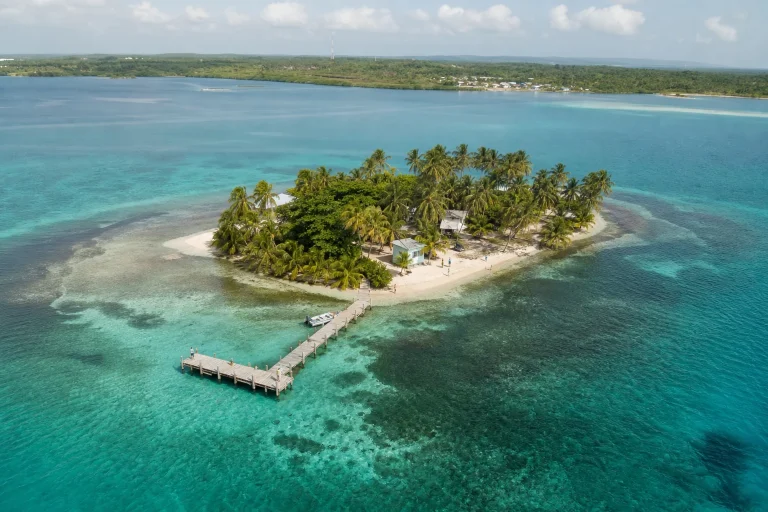
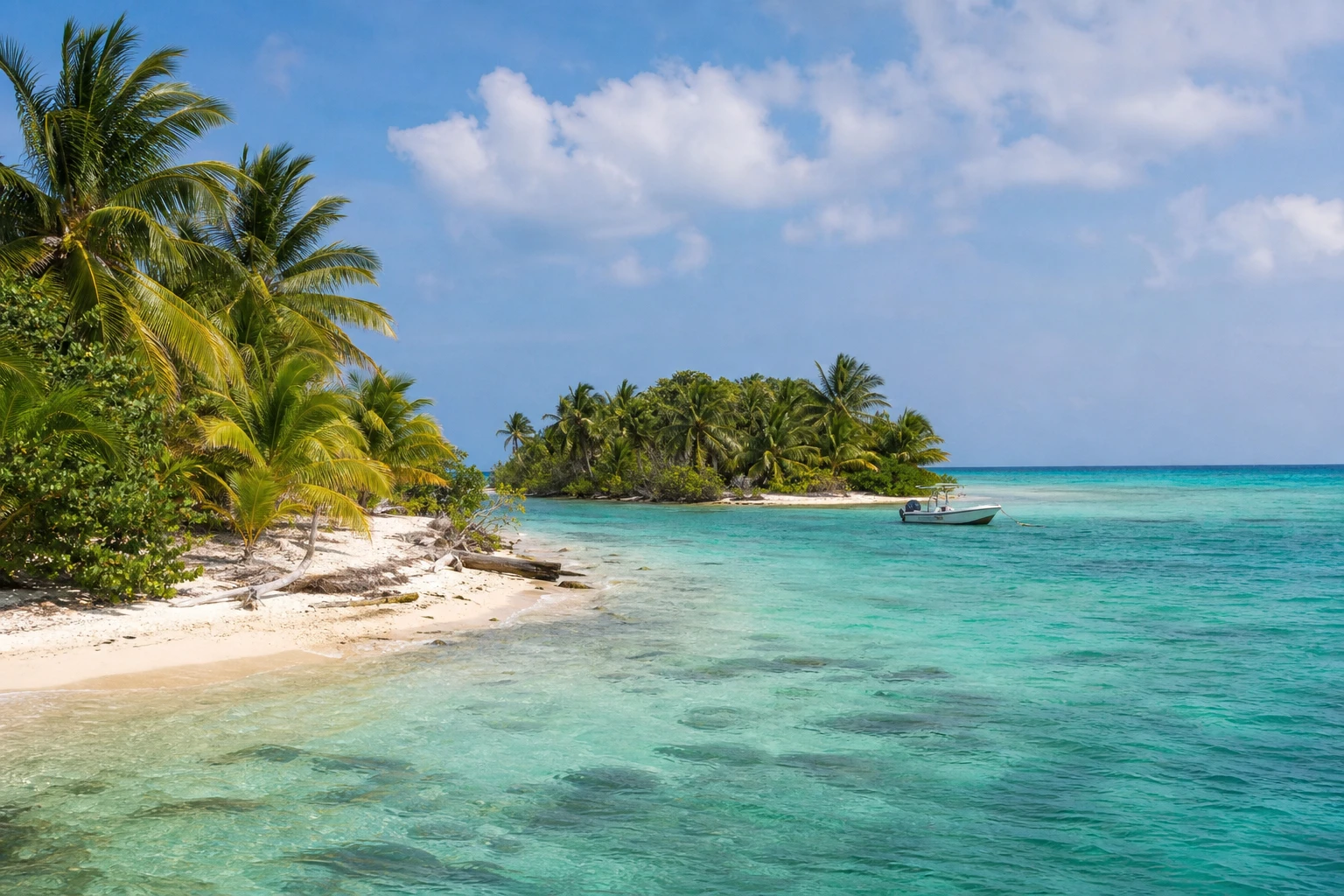
Belize rewards travelers who resist the urge to race through it. The mainland holds cultural experiences, Maya sites, jungle landscapes, and caves, while the cayes and reef involve separate boat or air connections. For most first-time visitors, the clearest plan combines one mainland region with one island or coastal base. That structure provides variety without turning every other day into a transfer day.
- Choose one mainland base and one caye or coastal base for a manageable first trip.
- Treat island travel as a separate transfer involving a water taxi or domestic flight.
- Compare seasons by weather risk, crowds, availability, and cost rather than price alone.
- Verify entry rules, transportation schedules, and travel advisories shortly before departure.
- Reserve extra budget for domestic flights, remote lodging, diving, and guided activities.
- Confirm accessibility and dietary arrangements directly with every provider in writing.
The most important decision is not which attraction to see first. It is how many regions to include. Belize has several transportation modes, but each change of base takes time and coordination. A focused route leaves more room for reef excursions, Maya sites, cave trips, or unhurried jungle days.
This guide explains the choices that shape a first visit: timing, arrival, transportation, budgeting, packing, safety, and accessibility. Exact entry rules, schedules, fares, and advisories can change, so confirm those details with the relevant authority or operator before traveling.
Why Belize works best as a two-base trip
A two-base itinerary gives each half of the trip a clear purpose. The mainland portion can concentrate on culture, the jungle, caves, or Maya sites. The second base can focus on an island, the coast, or the reef. This approach also limits repeated packing and reduces the number of connections that must line up correctly.
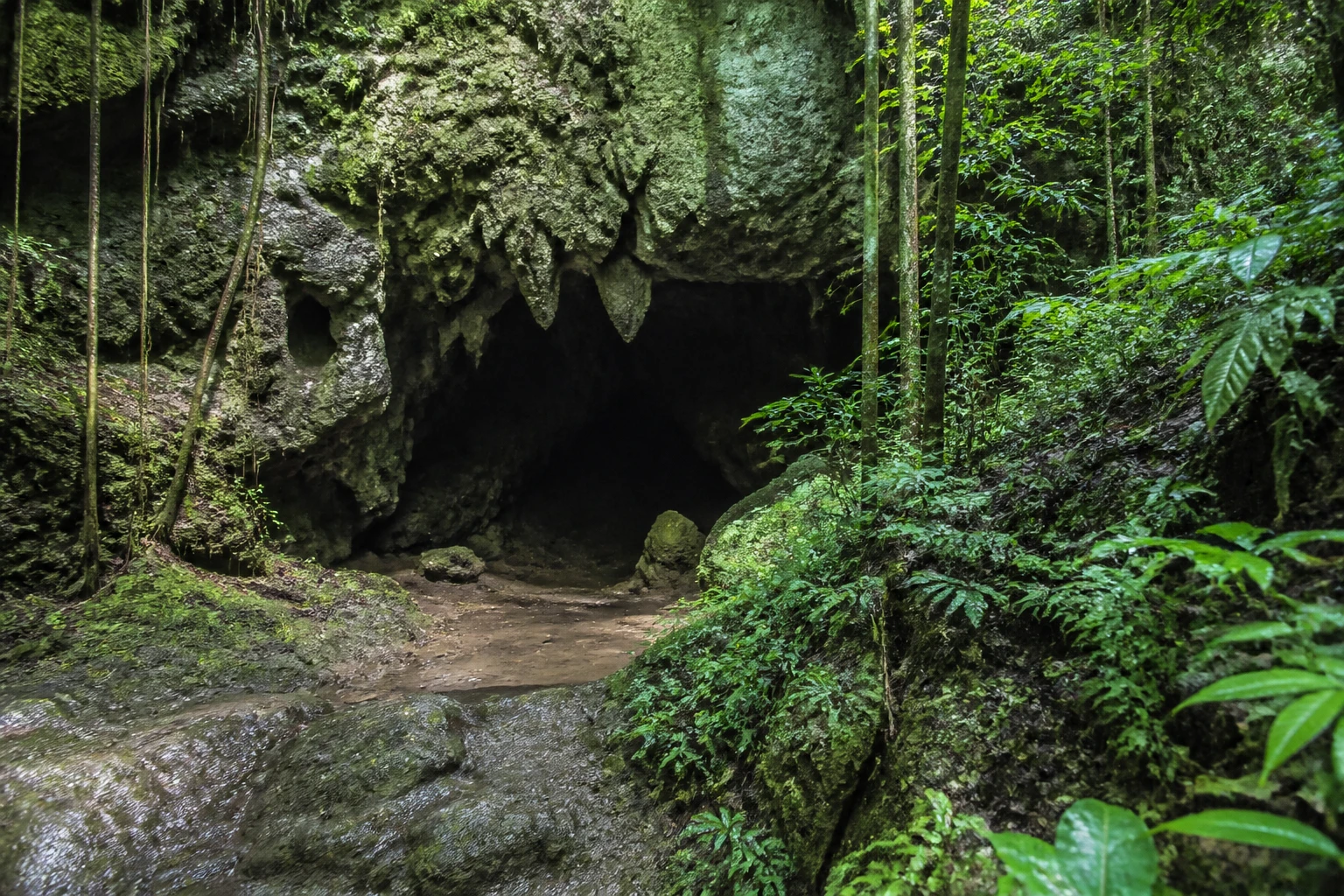
The site's guides to Belize's Maya sites, jungle experiences, caves, islands, and reef can help you decide which two environments matter most. Make that choice before booking accommodation. A traveler drawn to archaeology and forests will build a different route than someone whose main goal is time on the water.
When adding a third base makes sense
A third base becomes more practical when the trip is long enough to absorb another transfer or when domestic flights replace slower overland connections. Flying costs more, but it can preserve useful vacation time when distant regions are combined. If the itinerary is short, a third base often creates more logistics than discovery.
Choosing the best time for your Belize trip
December through February is identified by Belize tourism material as high season. This period generally attracts stronger demand for drier conditions and activity availability. Expect the planning tradeoff that follows popular travel periods: more competition for preferred rooms, transfers, and excursions.
August through October is presented as a shoulder-season option with lower prices and fewer crowds. Those benefits come with wetter-season conditions and a greater possibility of storm disruption. Flexible reservations and enough schedule margin become more valuable during this period, especially when boats or small aircraft are part of the route.
| Travel period | Main advantage | Main tradeoff | Planning priority |
|---|---|---|---|
| December through February | High-season activity demand and generally drier-weather appeal | More competition for popular arrangements | Book important lodging and activities early |
| August through October | Potentially lower prices and fewer crowds | Wetter conditions and storm-disruption risk | Favor flexible terms and protect transfer days |
| Other dates | A balance may be possible | Conditions and demand vary | Check weather patterns and availability for your exact dates |
Do not choose dates by room price alone. Consider how weather could affect the activities you care about most. A beach-focused trip, a cave outing, and a multi-transfer itinerary may react differently to wet or unsettled conditions. Review cancellation terms before paying, then recheck the forecast as departure approaches.
Flying into Belize and handling arrival formalities
Philip S. W. Goldson International Airport, identified by the code BZE, is the country's main international airport. It is near Belize City and Ladyville, but it is not on the cayes. Anyone continuing to Caye Caulker or San Pedro must plan an onward domestic flight or a transfer to a regularly scheduled water taxi from Belize City.
Check entry requirements before departure
Passport, visa, and border requirements depend on nationality and trip details. Belize tourism authorities currently promote a free online immigration and customs declaration for arrival and departure, but procedures can change. Check the latest official requirements immediately before travel instead of relying on an old checklist or another traveler's experience.
Keep essential documents accessible during the journey. Save confirmations offline, record the address of your first lodging, and carry any information requested for onward transportation. These small steps are useful when mobile service is unavailable or a connection must be rearranged.
Driving across a land border
Visitors bringing a vehicle into Belize through Guatemala or Mexico must secure a temporary importation permit at the point of entry, according to Belize tourism guidance. A cross-border self-drive trip therefore involves more administration than flying into Belize and renting locally. Verify current permit, insurance, license, and border procedures before committing to the route.
How to get around Belize
The core transportation options are domestic flights, buses, rental cars, and water taxis. The right choice depends on route, budget, luggage, comfort, and available time. Many first-time itineraries use more than one mode, such as a ground transfer on the mainland followed by a boat to a caye.
| Transport | Best suited to | Main advantage | Important limitation |
|---|---|---|---|
| Domestic flight | Combining distant regions or shortening transfers | Speed and convenience | Usually costs more |
| Bus | Budget-conscious mainland travel | Lower-cost transport category | Less control over timing and stops |
| Rental car | Independent mainland routing | Route flexibility | Driving and border requirements need checking |
| Water taxi | Travel between Belize City and major cayes | Principal scheduled mainland-to-caye connection | Timetables and weather can affect plans |
Domestic flights
Domestic flights are the speed-and-convenience choice when an itinerary combines distant regions. They can be particularly useful when limited vacation days matter more than minimizing cost. Before booking, confirm baggage rules, connection requirements, and what happens if an incoming international flight is delayed.
Water taxis
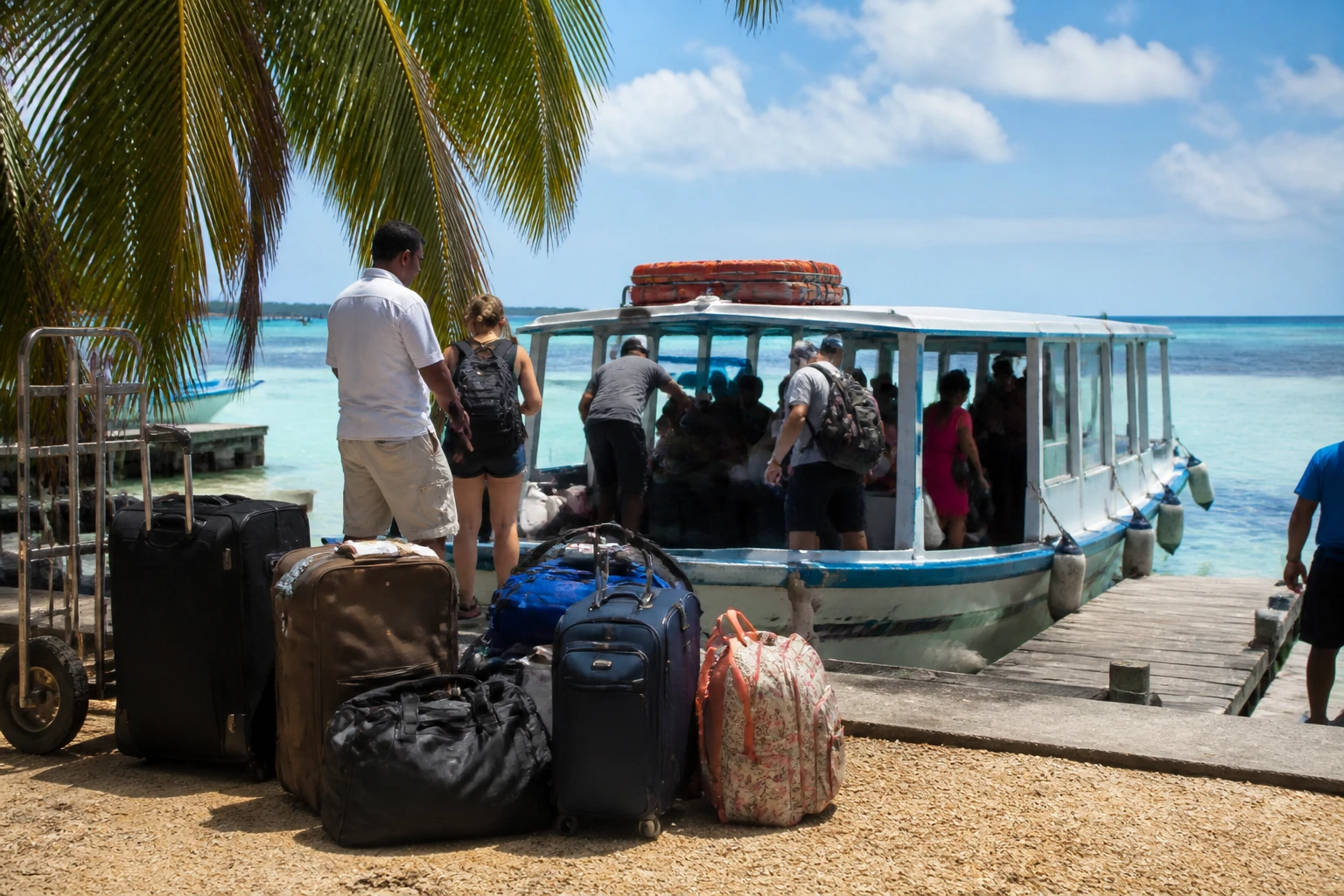
Regularly scheduled water taxis connect Belize City with Caye Caulker and San Pedro. Do not assume an international arrival at BZE flows directly onto a boat. The airport and departure point require a transfer, and the boat schedule must work with immigration, baggage collection, and ground travel.
Check the operator's current timetable directly and leave a sensible buffer. The retrieved evidence does not establish a reliable current last departure, fare, or journey time. If the connection feels tight, redesign the first night rather than building a trip around a hopeful sprint.
Buses and rental cars
Buses generally fit travelers prioritizing lower transport costs, while rental cars offer more control over mainland routes. Compare the full trip rather than one ticket or rental rate. Include transfers, fuel, parking arrangements, luggage needs, and the possibility that a guided activity already provides pickup.
A practical first-time itinerary framework
Start by dividing the trip into mainland and coast or caye segments. Assign more nights to the base connected with your highest-priority activities. Then place the longest or least flexible transfer between those segments, with enough margin to handle ordinary delays.
- Arrive and continue to the first base only if the onward connection has a comfortable margin.
- Use the mainland stay for a focused mix of culture, Maya sites, jungle, or cave activities.
- Schedule a transfer day between the mainland and the chosen caye or coastal base.
- Use the second stay for reef, island, or coastal activities rather than another long relocation.
- Keep the final departure logistics simple and verify every connection in advance.
This is a framework rather than a fixed day-by-day schedule. A useful list of the best things to do in Belize can help rank activities before you reserve lodging. Choose a few priorities and leave room for weather changes, rest, and the simple pleasure of staying in one place long enough to understand its rhythm.
How to budget without unreliable daily estimates
No verified nationwide visitor-price benchmark was available in the supplied research, so a single daily budget would be misleading. Build the trip from its major components instead: international travel, lodging, intercity transportation, local transfers, meals, guided activities, and a disruption reserve.
Domestic flying generally exchanges higher cost for saved time. Buses and water taxis are typically the lower-cost transportation categories. Remote lodges, island stays, diving, and guided nature or cultural activities can raise the total substantially. The most effective savings often come from choosing fewer bases and avoiding unnecessary transfers.
Questions to ask before paying
- Are taxes, transfers, equipment, or activity fees included?
- Is pickup offered, and exactly where is the meeting point?
- What are the cancellation and weather policies?
- Are luggage restrictions different on the next transport segment?
- Does the lodging location create extra boat or road transfers?
- Can the reservation be changed if a flight or boat is disrupted?
Compare accommodation only after deciding where to stay in Belize. A room that looks less expensive may produce extra transportation costs if it sits far from the activities or departure points in your plan. Location and included transfers can matter as much as the nightly rate.
Packing for boats, jungle, caves, and changing weather
Pack around the activities and transfers you have actually booked. Boat connections, natural terrain, caves, and wetter-season travel create different needs than a resort-only stay. Keep luggage manageable if the route includes repeated vehicle changes, boats, or domestic aircraft.
- Lightweight clothing that can dry between outings
- Rain protection appropriate to the season
- Secure footwear chosen for the planned terrain
- Sun protection and a refillable water bottle
- A small dry bag or water-resistant pouch for boat days
- Essential medication and copies of prescriptions
- Offline copies of bookings and emergency contacts
Ask activity operators what footwear, clothing, and equipment they require. Do not assume one pair of sandals works for every cave, forest trail, boat, or archaeological outing. Operator guidance should take priority because terrain and trip formats differ.
Safety, weather, and backup planning
Security, health, weather, and transportation notices can change quickly. Check your own government's live Belize travel advisory before departure and again during the trip if conditions shift. Avoid relying on a static risk level copied into an older article or social media post.
Use normal travel safeguards with documents, money, transportation, and unfamiliar meeting points. Confirm pickup details with the provider, ask your lodging about suitable local transport, and avoid improvising a complex connection when official guidance or current operator information is unclear.
Weather deserves special attention when the itinerary depends on boats or small aircraft. Build in time rather than scheduling the most important connection at the narrowest possible margin. Flexible booking terms are particularly useful during the wetter late-summer and early-fall period, when storm disruption is a greater concern.
Accessibility and individual travel needs
No authoritative destination-wide accessibility inventory was found for Belize's hotels, buses, water taxis, domestic aircraft, archaeological sites, caves, or marine excursions. Travelers with mobility, sensory, medical-equipment, or dietary access needs should obtain written confirmation from each provider before booking.
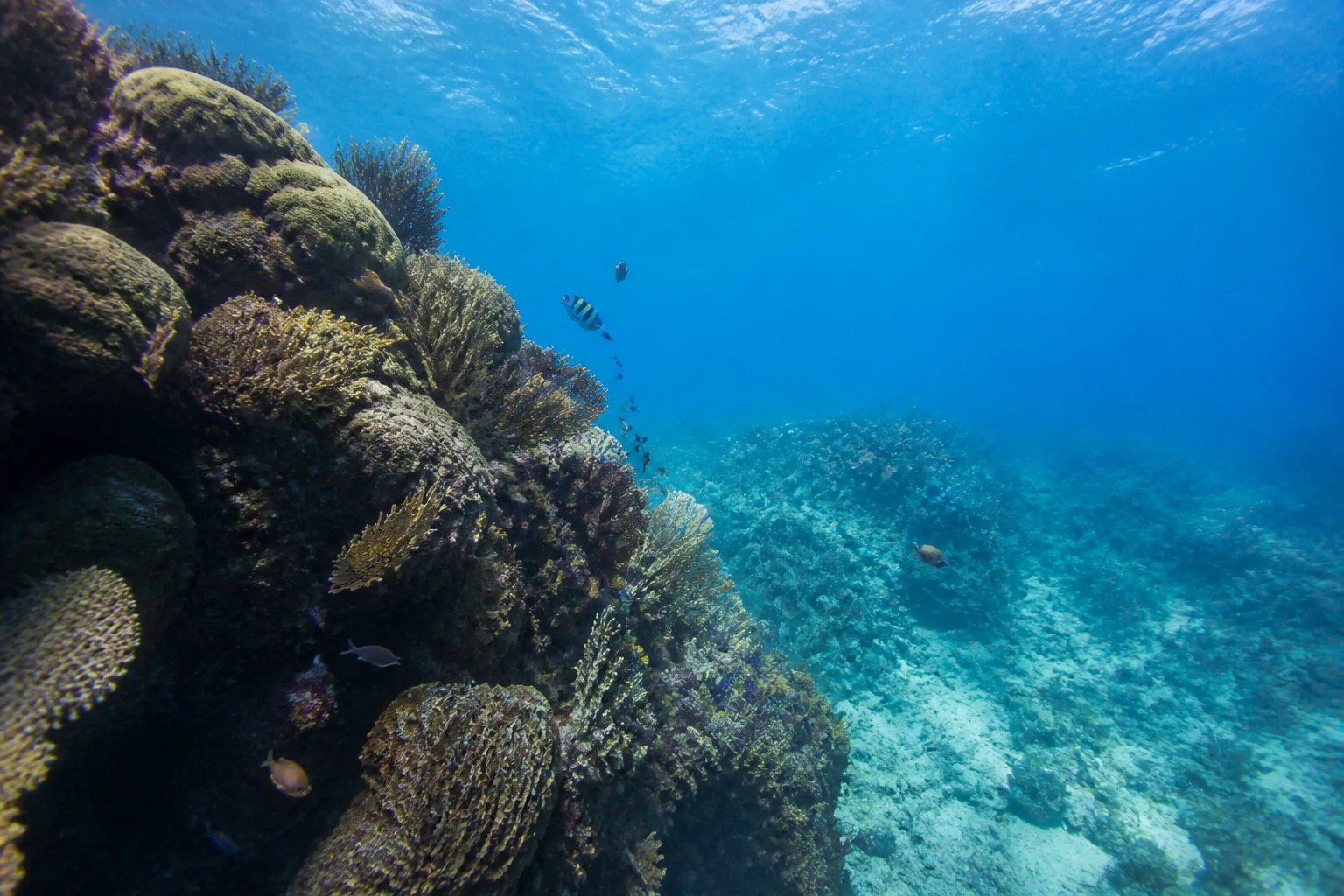
Ask specific questions instead of requesting a general accessibility promise. Confirm step counts, boarding methods, pathway surfaces, bathroom access, doorway widths, storage for medical equipment, refrigeration, power reliability, and emergency procedures as relevant. Natural terrain and boat transfers may be poor fits for some travelers, but suitability depends on the individual and the exact operation.
Request photographs or measurements when necessary, and keep written replies with the reservation. Also confirm whether assistance must be arranged in advance. A provider's clear description of the actual route, vehicle, boat, or room is more useful than a broad label.
Common first-trip planning mistakes
- Trying to cover the mainland, several cayes, caves, jungle, and Maya sites in a short trip
- Treating BZE as though it were directly connected to an island water-taxi departure
- Booking separate transport segments without enough connection time
- Using outdated entry rules, fares, schedules, or travel advisories
- Choosing the cheapest room without calculating added transfer costs
- Assuming an activity or transport service will meet accessibility needs without confirmation
The cure for most of these problems is simple: reduce the number of bases, verify important details close to departure, and spend money where it protects time or removes a fragile connection. Belize becomes easier to enjoy when the route leaves space for the destination itself.
Your final Belize planning checklist
- Choose one mainland region and one caye or coastal base.
- Confirm passport, visa, customs, and immigration requirements.
- Book accommodation only after mapping the transportation route.
- Verify domestic flight, bus, rental-car, or water-taxi details directly.
- Check weather patterns, cancellation terms, and live travel advisories.
- Reserve priority guided activities and record exact meeting points.
- Confirm accessibility, medical-equipment, and dietary arrangements in writing.
- Recheck schedules and entry requirements shortly before departure.
A successful first visit does not need to cover every part of Belize. It needs a route that connects cleanly, enough time in each base, and a realistic plan for weather and cost. Set those foundations first, then let the caves, jungle, Maya sites, islands, and reef shape the days within them.
Frequently asked questions
How many places should a first-time visitor stay in Belize?
For most first trips, choose one mainland region and one caye or coastal base. This balances cultural, jungle, cave, or Maya-site experiences with island or reef time while limiting transfers. Adding more bases is easier when the trip is longer or domestic flights replace slower connections.
What is the main international airport in Belize?
Philip S. W. Goldson International Airport, or BZE, is Belize's main international airport. It is near Belize City and Ladyville. Travelers continuing to Caye Caulker or San Pedro need an onward domestic flight or a ground transfer to a scheduled water taxi in Belize City.
When is Belize's high season?
Belize tourism material identifies December through February as high season. August through October is promoted as a shoulder-season option with potentially lower prices and fewer crowds, but wetter conditions and storm disruption are more significant concerns during that period.
What is the cheapest way to get around Belize?
No single option is cheapest for every route, but buses and water taxis are generally lower-cost transport categories than domestic flights. Compare the entire journey, including airport transfers, luggage, lodging location, and the value of time saved.
Do visitors need a visa or travel insurance for Belize?
Requirements depend on nationality and trip details, and they can change. Verify current passport, visa, immigration, customs, insurance, and border rules through official channels immediately before travel. Do not rely on older policy notices or a universal checklist.
Is Belize accessible for travelers with disabilities?
No authoritative destination-wide accessibility inventory was found. Travelers should request written details from every hotel, carrier, and activity operator. Ask about boarding, steps, surfaces, bathrooms, equipment storage, power needs, and assistance. Boat transfers and natural terrain may not suit every traveler.
Are there regular water taxis to Belize's cayes?
Regularly scheduled water taxis connect Belize City with Caye Caulker and San Pedro. Timetables, fares, and operating details should be confirmed directly with the operator because the supplied evidence does not establish current departure times or prices.
Still comparing Airport Transfers?
Ask for tour ideas, hotel suggestions, or a simple trip plan that combines both.