
Glover’s Reef Belize Guide
Glover’s Reef Marine Reserve is for travelers who want their Belize days shaped by the sea: boat travel, time on the reef, and a setting with few of the conveniences found on the mainland or better-connected cayes. This is a remote marine destination reached by boat, with snorkeling and diving at the heart of the experience. Plan it as a deliberate part of a Belize itinerary, not as a quick add-on between flights, restaurants, and town sightseeing.
Glover’s Reef at a glance
- Glover’s Reef Marine Reserve is boat-access only, with departure arrangements varying by operator and destination.
- The southern coast, particularly the Dangriga and Placencia areas, is a practical starting point for arranging a visit.
- Day trips are available through southern-coast resorts and operators; family-run overnight accommodations are also available within the atoll.
- Expect weather exposure and plan flexible travel days around boat transfers.
- The reserve has rules for fishing and other extractive activities, so confirm current permissions, zones, and licenses before making plans.
- Travelers wanting predictable connections, broad dining, or confirmed accessibility will be better served by a mainland base and a confirmed day trip.
The reward for the extra logistics is focus. Glover’s Reef is a place to spend time in and on the water rather than to fill a checklist of land attractions. Build your plan around a confirmed boat departure, allow room for weather changes, and decide early if you want the simplicity of a day trip or the deeper immersion of an overnight stay.
Who should visit Glover’s Reef
Glover’s Reef suits confident, patient travelers who place reef time above convenience. Snorkelers and divers, small groups, and visitors looking for a more secluded Belize experience will find the setting especially appealing. It also works well for travelers who are happy to base themselves on the southern coast and treat the atoll as a full-day outing rather than trying to move there between other fixed plans.
It is less well suited to trips built around rigid timing, extensive restaurant choice, easy independent transport, or a conventional resort routine. Boat dependence changes the rhythm of the visit, and weather can affect transfers. Travelers with mobility needs, medical equipment, or a need for highly reliable power should discuss the specific boat and accommodation setup with their chosen operator before booking.
If you are comparing Belize bases, the subject covered in the Where to Stay in Belize for First Timers guide is useful here: choose your base according to the trip you actually want. A southern-coast stay can keep mainland amenities within reach while leaving room for a dedicated reef day. A more connected caye is the stronger choice when transport certainty and on-island services matter more than remoteness.
How to get to Glover’s Reef
There is no road route to Glover’s Reef. Belize Fisheries lists access from Dangriga, Hopkins, Sittee River, Belize City, and Placencia, while the broader Belize travel guidance points visitors toward the southern coast through Dangriga or Placencia. Departure points are not universal: the correct one depends on the operator, the island or station you are visiting, and the kind of trip you book.
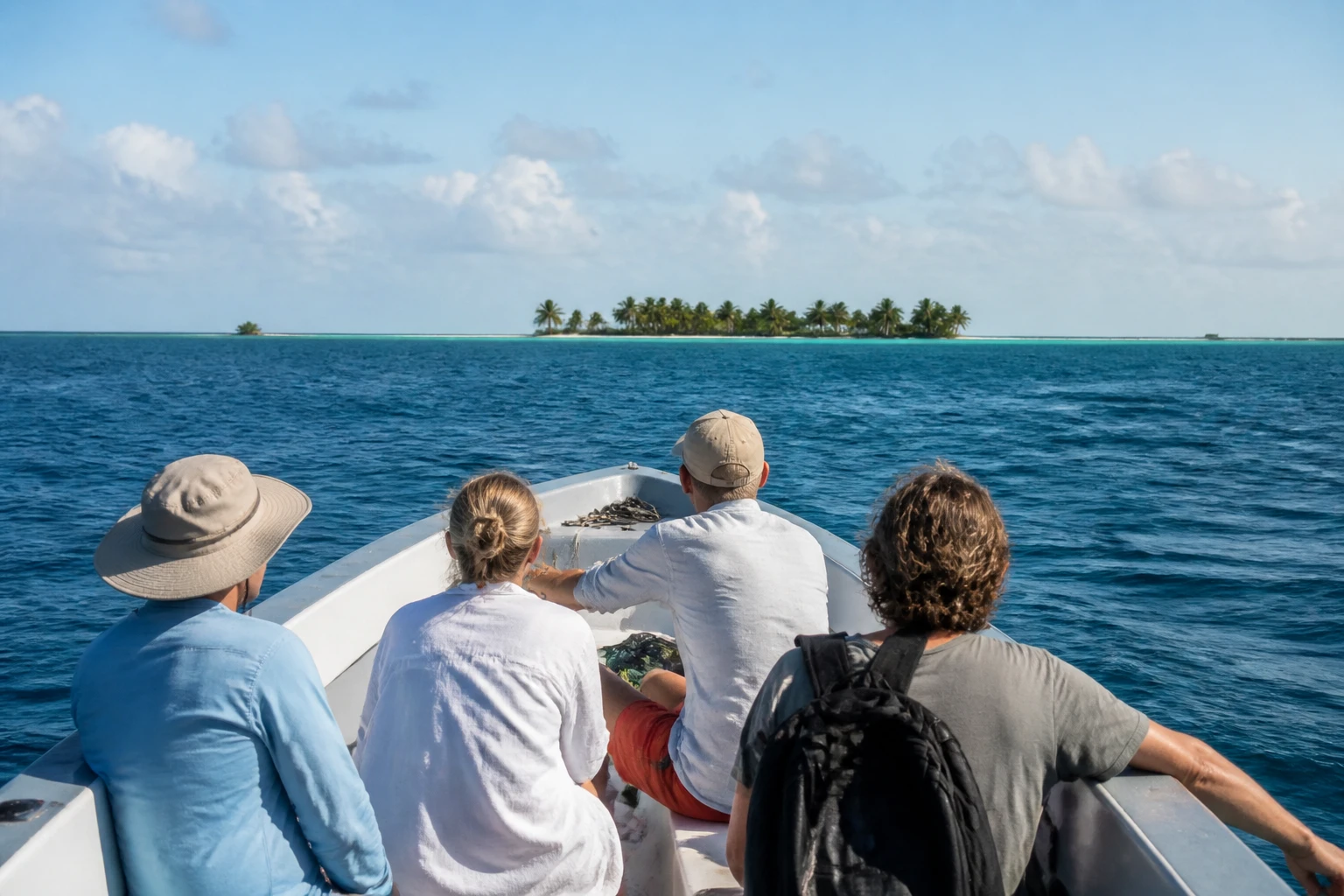
For many visitors, the smoothest approach is to reach the southern coast by road or domestic flight from Belize City, spend at least one night ashore, then take a confirmed excursion or transfer. That buffer matters. A boat ride is part of the experience, but it is also exposed to weather and operator scheduling. Avoid tying an atoll transfer to a same-day international departure.
Some travel arrangements connect through Belize City or Sittee River. The WCS Middle Caye research station, for example, identifies those two access points for station visitors, but its travel arrangements are distinct from general tourism transfers. Do not assume that a boat serving one island, lodge, or research facility will serve another.
For a wider look at organized excursions, the Belize Tours page is a helpful starting subject when comparing what is included in a marine outing. Confirm the departure point, boat-transfer plan, activity itinerary, meals or equipment included, weather policy, and return timing before committing to the rest of your day.
Day trip or overnight stay?
A day trip is the practical choice for travelers who want Glover’s Reef without giving up the flexibility of a mainland base. Southern-coast resorts and operators offer day trips, allowing visitors to arrange their reef time while sleeping where transport, dining, and other services are more straightforward. This option also limits the amount of gear and planning needed for a remote stay.
An overnight stay makes sense when the atoll itself is the point of the trip. Family-run overnight accommodations exist in the area, but they should be booked and evaluated individually because facilities, transfers, meals, and booking requirements vary. Confirm exactly where you will sleep, how you will arrive and depart, and what is included before making a nonrefundable plan.
The WCS Middle Caye Research Station should not be treated as a general tourist hotel. It is intended for approved researchers, students, and groups, with dormitory-style accommodation for up to 25 guests. Its shared showers and sinks, composting toilets, and water system reflect a working field-station environment. For eligible groups, that can be a meaningful setting; for most leisure travelers, a day trip or a separately arranged accommodation is the more relevant path.
Still comparing Glover's Reef?
Ask for tour ideas, hotel suggestions, or a simple trip plan that combines both.
Trip Helper
What a reef-focused visit looks like
Treat Glover’s Reef as a water-based adventure. The main appeal is time spent snorkeling or diving in a protected marine setting, with the boat journey and open-water conditions forming part of the day. A strong itinerary leaves enough space for an unhurried departure, activity time on the water, and a flexible return rather than stacking the visit against a hard dinner reservation or flight connection.
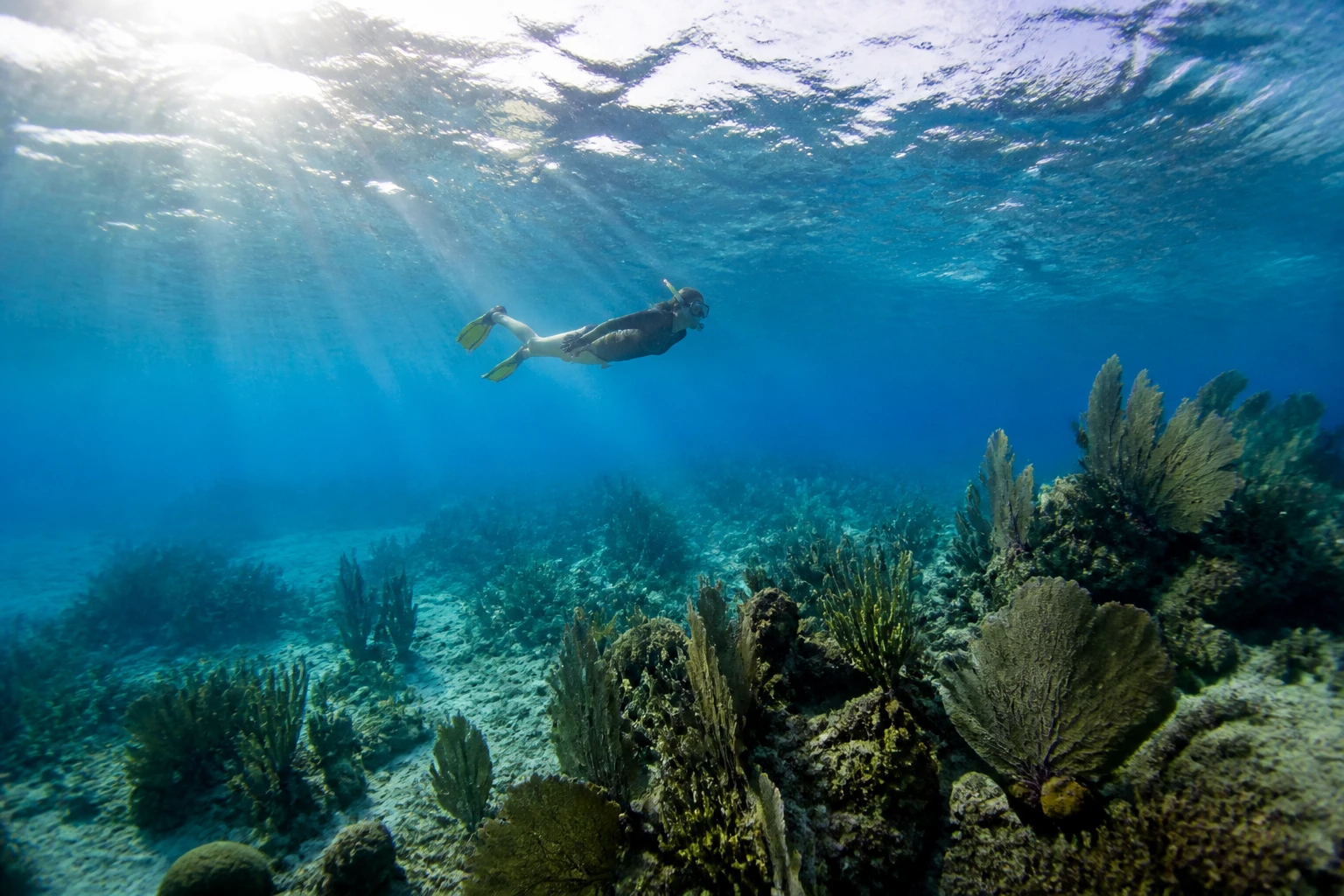
Your operator should set the day’s practical structure, including the launch point, equipment arrangements, safety briefing, reef itinerary, and return plan. Ask about the physical demands of boarding and riding in the boat if that could affect your comfort. Travelers who are prone to seasickness should prepare for an exposed transfer and bring any personal remedies they normally use.
For a different Belize reef landmark, the Great Blue Hole Belize Guide covers a separate excursion-planning question. It is useful for travelers deciding how to divide limited time between major marine experiences. Keep the logistics separate: the destination, operator, vessel, timing, and activity format can differ substantially.
Weather, timing, and flexible planning
Weather is a planning factor, not a footnote, at Glover’s Reef. Boat access and water activities depend on conditions, so leave a buffer day around a transfer when possible. If your itinerary includes an international flight, schedule the atoll visit earlier in the trip rather than relying on a same-day return. That simple choice protects the rest of your Belize plans from a weather-related disruption.
The WCS station’s supply run and staff changeover normally takes place every second Friday and can carry limited passengers when space permits and weather allows. This is a specific station arrangement, not a public atoll ferry schedule. It illustrates why advance planning matters: remote transport can be limited, conditional, and tailored to a particular destination.
Once you have a confirmed booking, keep the preceding and following days light. Check your booking confirmation for the meeting point, luggage limits, departure time, and instructions for weather changes. Build in a mainland night before and after an overnight atoll stay if your onward transportation cannot be moved easily.
What to pack for a remote reef trip
- Sun protection that you are comfortable wearing on open water, plus a hat and lightweight cover-up.
- A reusable water bottle and any personal snacks permitted by your operator.
- A small dry bag for phone, documents, medication, and an extra layer.
- Swimwear, a towel, and secure footwear suitable for getting on and off a boat.
- Personal seasickness medication if you use it, along with essential medication packed in a waterproof container.
- Cash or cards according to the payment guidance supplied by your chosen operator or accommodation.
Pack light, but do not treat the trip like a beach walk. You will be moving by boat, and the best kit is compact, protected from spray, and easy to manage without assistance. If you are staying overnight, ask your accommodation about storage, drinking water, power, bedding, meals, and luggage handling before packing a large bag.

Reserve rules and responsible planning
Glover’s Reef is a marine reserve, so activities are governed by reserve rules rather than open recreational access. Belize’s 2024 regulations require that a shark landed while fishing in Glover’s Reef Marine Reserve be immediately released in the condition in which it was landed. Anyone planning fishing or another extractive activity should verify the current zone rules, licenses, and operator permissions with Belize Fisheries before departure.
For snorkeling and diving visitors, the most practical approach is to follow the operator’s briefing closely and treat the marine environment as the central reason to be there. Use the trip to enjoy the reef, not to test the boundaries of what is allowed. Rules and operational requirements can change, particularly where protected areas and fishing permissions are concerned.
Budgeting for Glover’s Reef
Budget from a written, current quote rather than a generic Belize price estimate. Costs can vary with the departure point, boat transfer, day-trip format, accommodation, equipment, meals, and the type of activity booked. Ask for the full inclusions and any required fees before paying, especially when arranging an overnight stay or a specialized diving itinerary.
A mainland base can make the budget easier to manage because you can compare overnight options separately from the reef outing. An atoll overnight may offer more time in the setting, but it also requires closer attention to transfers and what the stay actually provides. Choose the version that gives you enough reef time without forcing an itinerary that feels fragile.
Is Glover’s Reef worth it?
Glover’s Reef is worth prioritizing for travelers who value a remote Belize marine experience and are willing to plan around boats and weather. Its greatest strength is the chance to concentrate on reef time in a setting removed from the usual mainland rhythm. Its main limitation is the same remoteness: transfers require advance coordination, and the experience offers fewer easy fallbacks when plans change.
The best next step is to decide between a southern-coast day trip and an overnight arrangement, then book the version with a clear departure plan and realistic timing. Give yourself a buffer around the boat transfer, pack for sun and spray, and let Glover’s Reef be one of the slower, sea-centered days of your Belize trip.
Frequently asked questions
How do you get to Glover’s Reef in Belize?
Glover’s Reef is reached by boat. Access points listed by Belize Fisheries include Dangriga, Hopkins, Sittee River, Belize City, and Placencia, but the departure point depends on your operator and destination within the atoll.
Can you visit Glover’s Reef on a day trip?
Yes. Southern-coast resorts and operators offer day trips to Glover’s Reef, making a mainland base a practical choice for many visitors.
Can tourists stay overnight at Glover’s Reef?
Yes, family-run overnight accommodations are available in the atoll. Arrange stays individually because transfer plans, facilities, and inclusions vary; the WCS research station is only for approved researchers, students, and groups.
Should I plan a flight on the same day as a Glover’s Reef boat transfer?
No. Keep a buffer between an atoll boat transfer and an international flight because transfers are weather-dependent and schedules can change.
Is Glover’s Reef accessible for travelers with mobility needs?
Accessibility arrangements need to be confirmed with the specific operator before booking. Boat-only access and basic shared facilities at the WCS station illustrate why travelers with mobility, medical-equipment, or reliable-power needs should discuss requirements in advance.
Can you fish at Glover’s Reef Marine Reserve?
Fishing and other extractive activities are subject to marine-reserve rules, zones, licenses, and permissions. Belize’s 2024 regulations require sharks landed while fishing in the reserve to be released immediately in the condition in which they were landed.